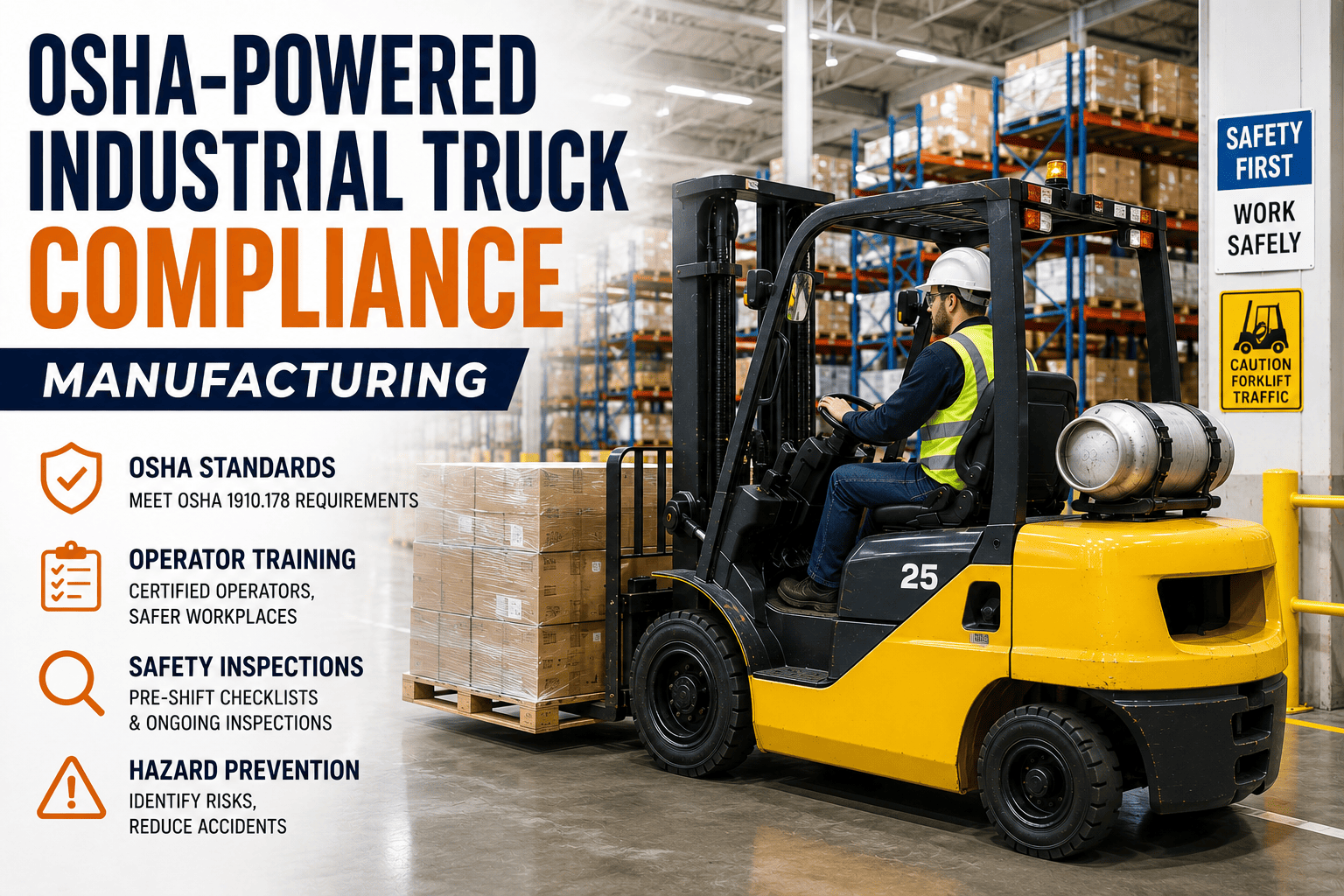
Walk onto almost any manufacturing floor and within minutes you will see a forklift, a pallet jack, or a reach truck moving materials between stations. These machines are so routine that it is easy to forget they sit inside one of OSHA's most heavily enforced standards. 29 CFR 1910.178 governs every powered industrial truck in your plant, and it does not stop at "have a forklift certificate on file." It reaches into daily inspections, operator evaluations, equipment markings, and the paperwork that proves all of it actually happened. Plants that treat compliance as a once-a-year training event are the ones showing up in OSHA's citation logs.
OSHA 1910.178 applies to forklifts, pallet jacks, reach trucks, order pickers, and any motorized equipment used to carry, lift, or stack materials. Operators need formal instruction, hands-on evaluation, and a documented workplace assessment at least once every three years. Daily pre-shift inspections are mandatory, and defective trucks must be pulled from service immediately. Serious violations can now reach 16,550 dollars, and willful or repeated violations can climb past 165,000 dollars per citation in 2026.
What Actually Counts as a Powered Industrial Truck
OSHA's definition is deliberately broad. A powered industrial truck is any mobile, power-driven vehicle used to carry, push, pull, lift, stack, or tier materials, whether it runs on an electric motor or an internal combustion engine. That means the standard covers far more than the counterbalanced forklift parked by the loading dock.
Counterbalanced Forklifts
The most common PIT on any manufacturing floor, used for pallet transport, staging, and truck loading. Requires full 1910.178(l) training before independent use.
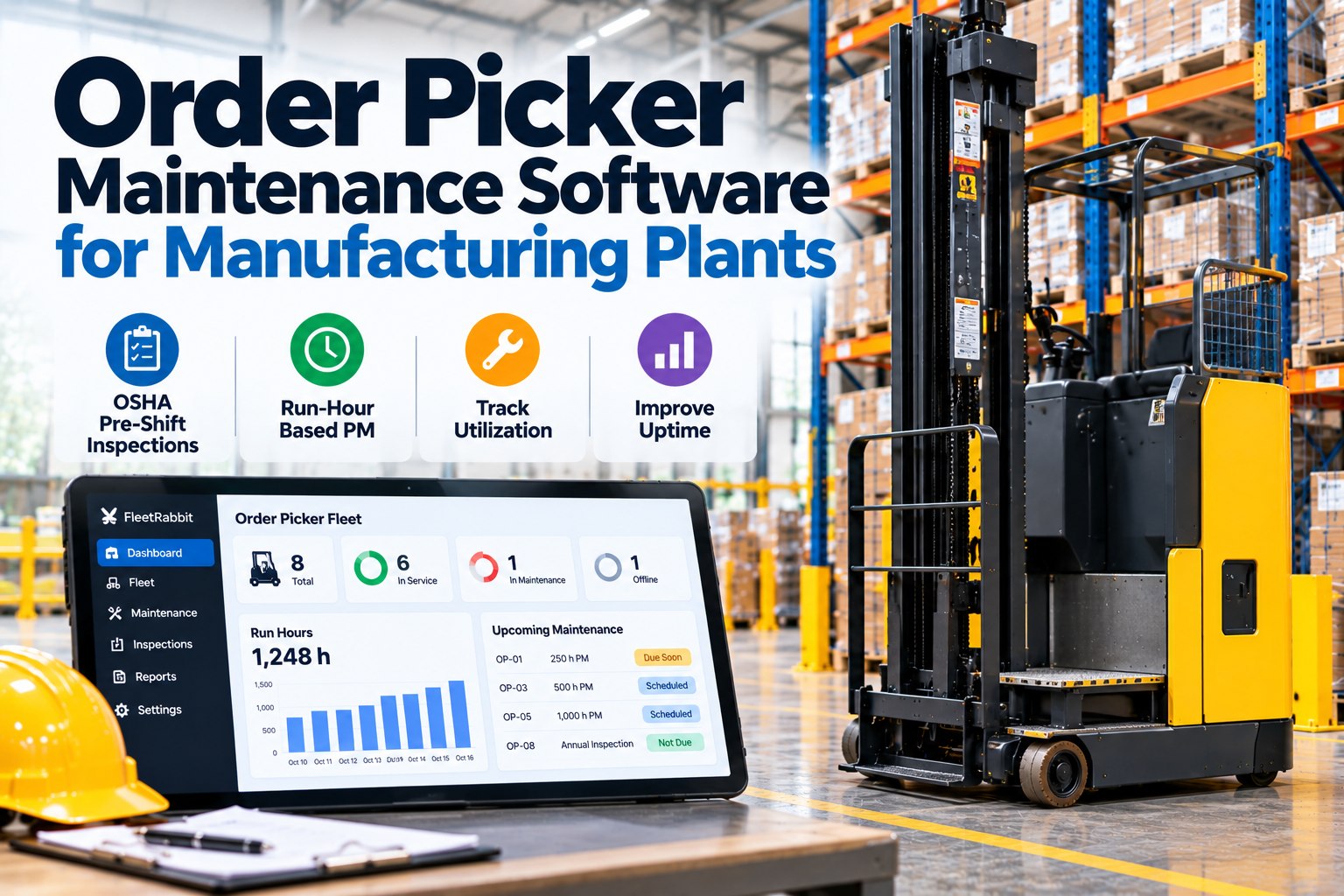
Pallet Jacks and Order Pickers
Walk-behind and rider units used in staging and picking areas. Classified as PITs under the same standard, requiring the same evaluation cycle as sit-down trucks.
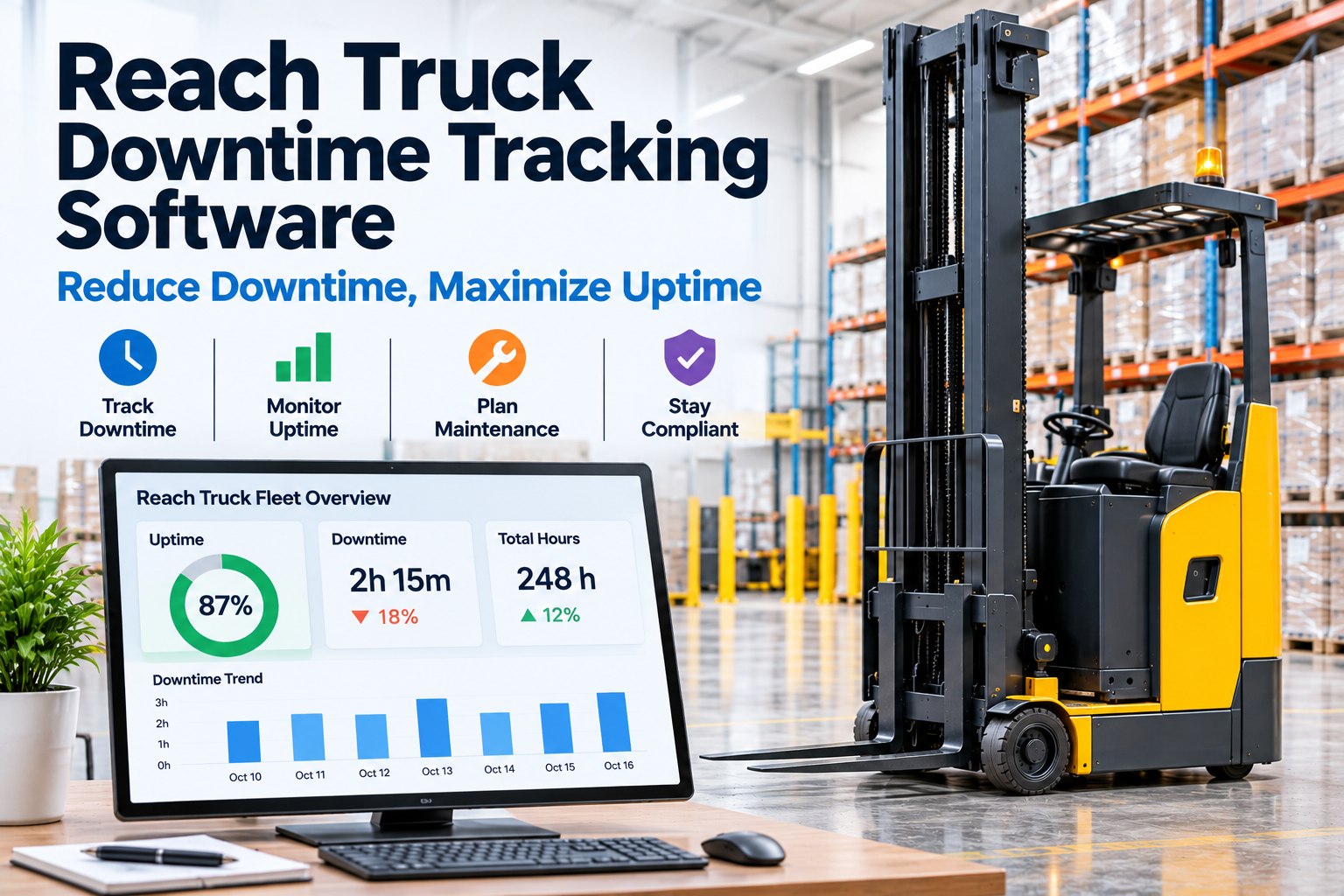
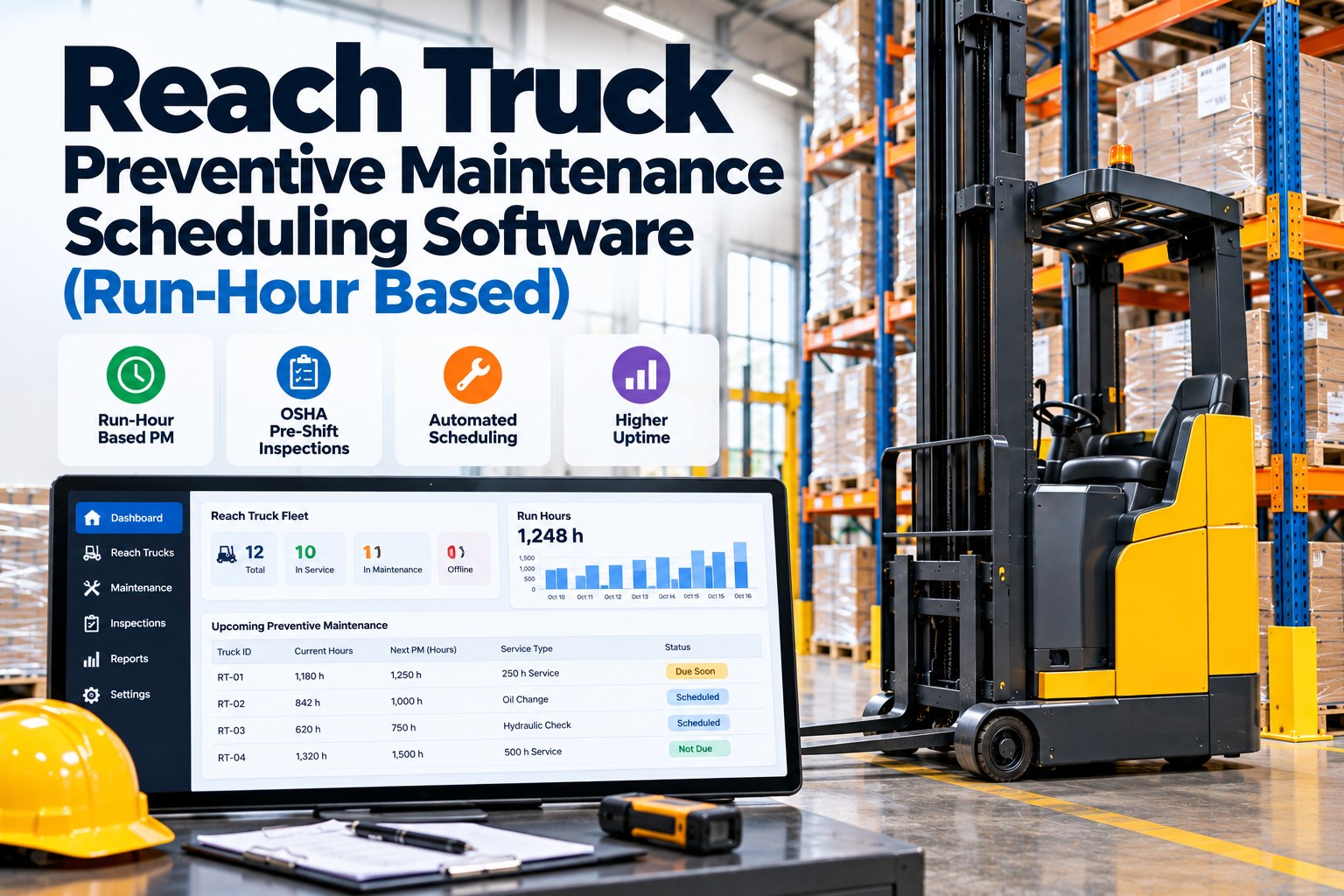
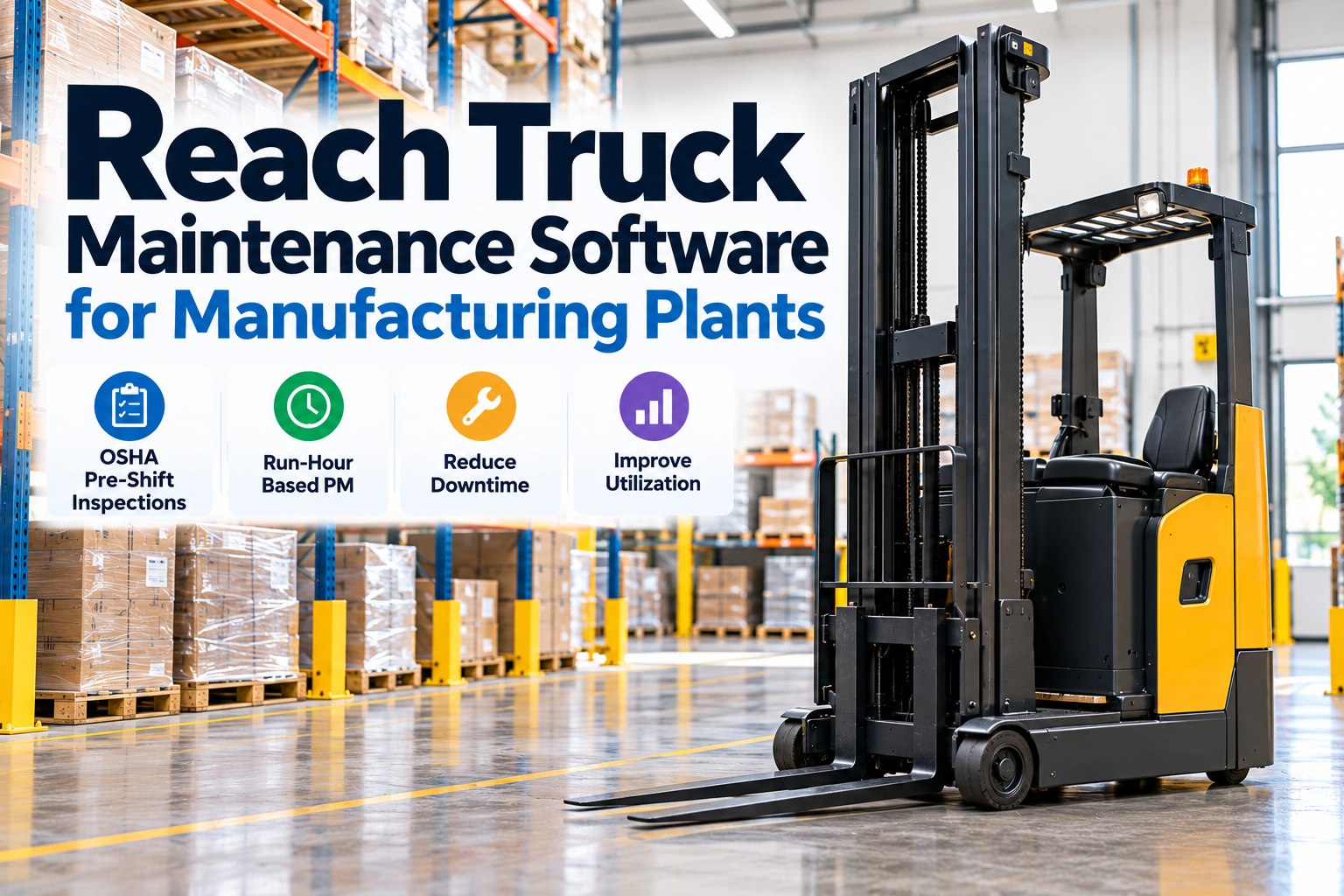
Reach Trucks and Attachments
High-lift equipment used in narrow-aisle racking. Attachments such as clamps and rotators change capacity and must be reflected in truck markings.
FleetRabbit tracks operator certifications, pre-shift inspection logs, and equipment maintenance history in a single system, so an audit request never turns into a scramble through filing cabinets. Sign up free and see your fleet's compliance status today.
The Three Pillars of 1910.178 Compliance
Every OSHA citation involving powered industrial trucks traces back to a gap in one of three areas: operator competence, equipment condition, or workplace hazard control. Understanding how these pillars connect makes it far easier to build a program that holds up under inspection.
| Compliance Pillar | OSHA Requirement | Common Gap | How to Close It |
|---|---|---|---|
| Operator Training | Formal instruction, hands-on practical training, and a documented workplace evaluation before solo operation | Certificates on file but no record of the practical evaluation portion | Store training, evaluation, and refresher records together, tied to each operator and truck type |
| Triennial Evaluation | Each operator's performance must be evaluated at least once every three years | Evaluations tracked manually and missed when staff turnover is high | Automated reminders that flag operators approaching their three-year evaluation window |
| Equipment Condition | Daily pre-shift inspections with immediate removal of defective trucks from service | Paper checklists that are inconsistently completed or never reviewed | Digital pre-shift inspection forms that lock out a truck automatically when a defect is logged |
| Workplace Conditions | Truck type must match the hazard classification of the area, including flammable or dusty environments | Equipment reassigned between areas without reclassification review | Annual fleet-wide classification review whenever equipment or workflow changes |
Why Documentation Decides Most Citations
OSHA compliance officers rarely dispute whether a plant trains its operators. They dispute whether the plant can prove it. A citation for inadequate training is often less about the training itself and more about a missing signature, an undated form, or a gap between when an employee started operating a truck and when their evaluation was filed. Digital, timestamped records close that gap and give inspectors exactly what they are looking for.
Your Daily Compliance Checklist
Consistency is what separates a compliant plant from one waiting for its next citation. The following sequence reflects what OSHA expects to see happening on the floor every single shift.
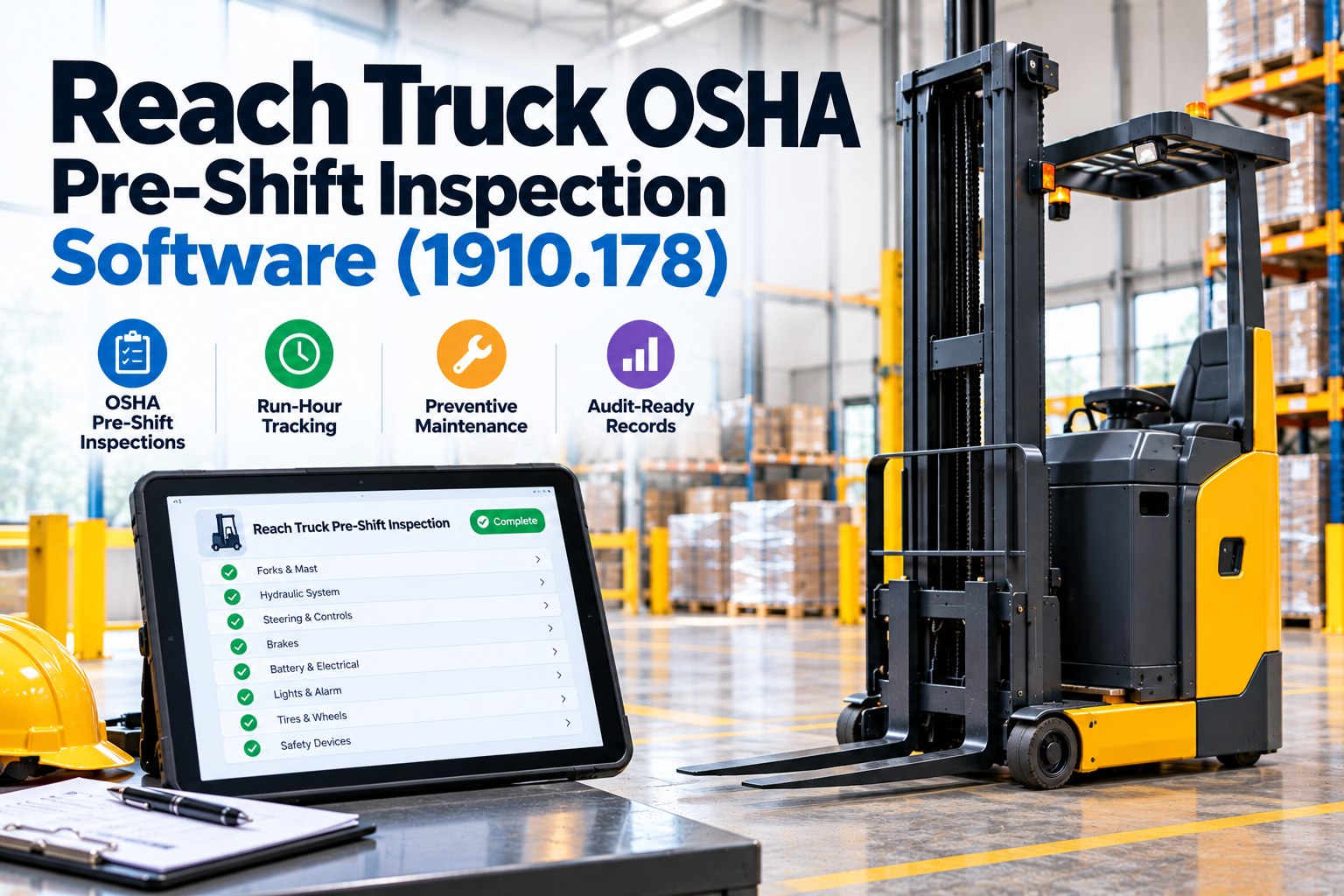
Pre-Shift Inspection
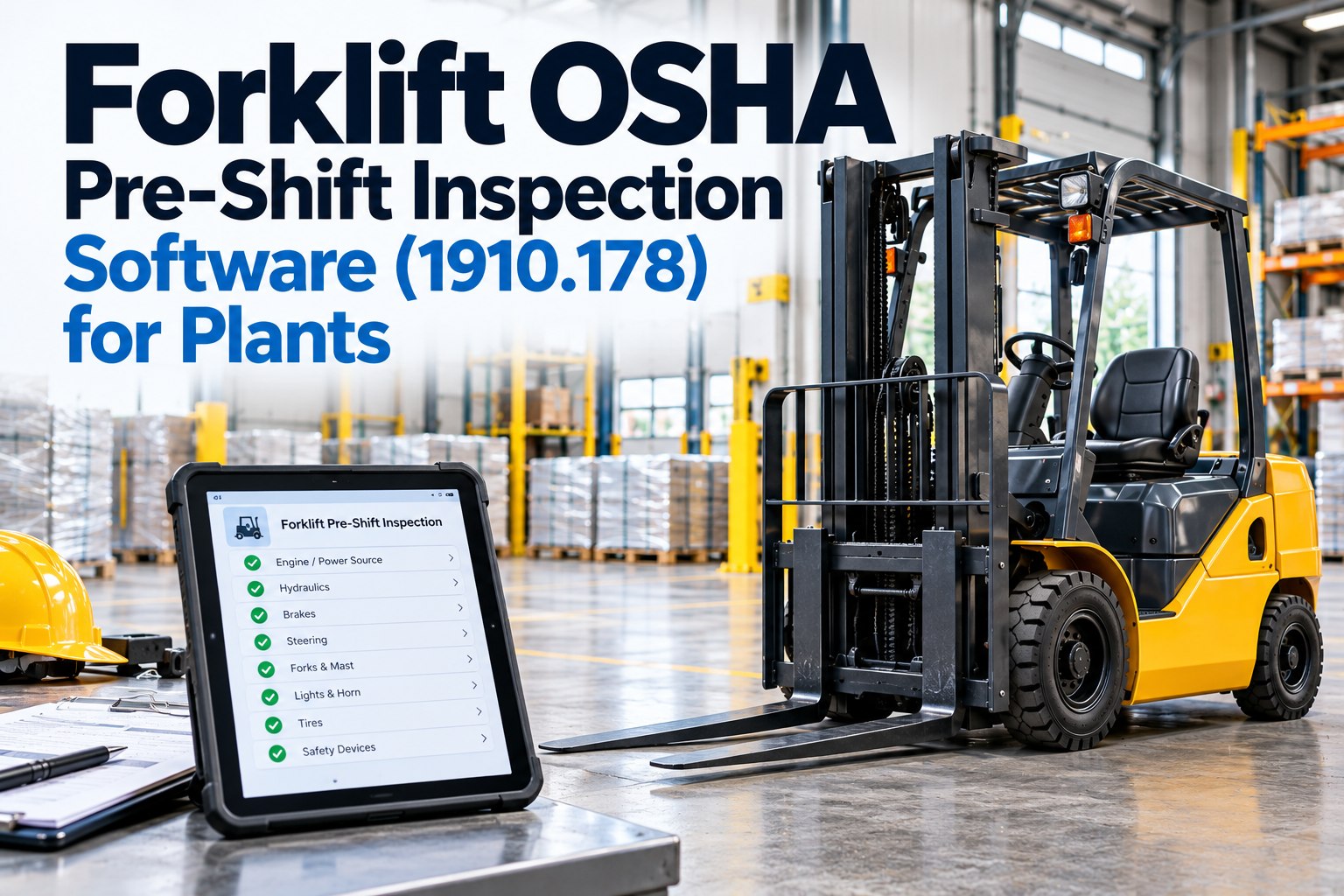
Operator checks brakes, forks, hydraulics, tires, warning devices, and fluid levels before the truck moves. Any defect gets logged immediately.
Defect Lockout
A truck flagged with a safety defect is removed from service until a qualified technician signs off on the repair. No exceptions for a busy production schedule.
Operator Assignment Check
Confirm the assigned operator is certified for that specific truck type and that their evaluation is not past its three-year window.
Digital Record Capture
Inspection results, operator identity, and timestamp are stored automatically, ready to hand an inspector without searching for paperwork.
End-of-Shift Review
Supervisors review flagged incidents and near-misses, deciding whether refresher training is needed before the next shift begins.
What Non-Compliance Actually Costs
OSHA's penalty schedule was adjusted again in 2026, and powered industrial truck violations remain a consistent presence among the agency's most frequently cited hazards. The numbers below reflect the current gravity-based penalty structure.
A single inspection frequently produces more than one citation once compliance officers start reviewing training files, inspection logs, and truck markings together. That is the real financial risk: not one fine, but a stack of them from gaps that a documentation system would have caught months earlier. Book a free compliance walkthrough to see where your plant's records would hold up and where they would not.
Building a System That Survives an Audit
Manufacturing plants that pass OSHA inspections without incident share a common trait: their compliance program runs continuously in the background instead of being assembled the week before an audit. That means centralizing operator certifications, automating triennial evaluation reminders, digitizing pre-shift inspection forms, and keeping a live maintenance history tied to every truck's serial number. When all of that data lives in one platform, a compliance officer's request for records becomes a five-minute export instead of a multi-day search through binders and spreadsheets.
Where FleetRabbit Fits Into the Picture
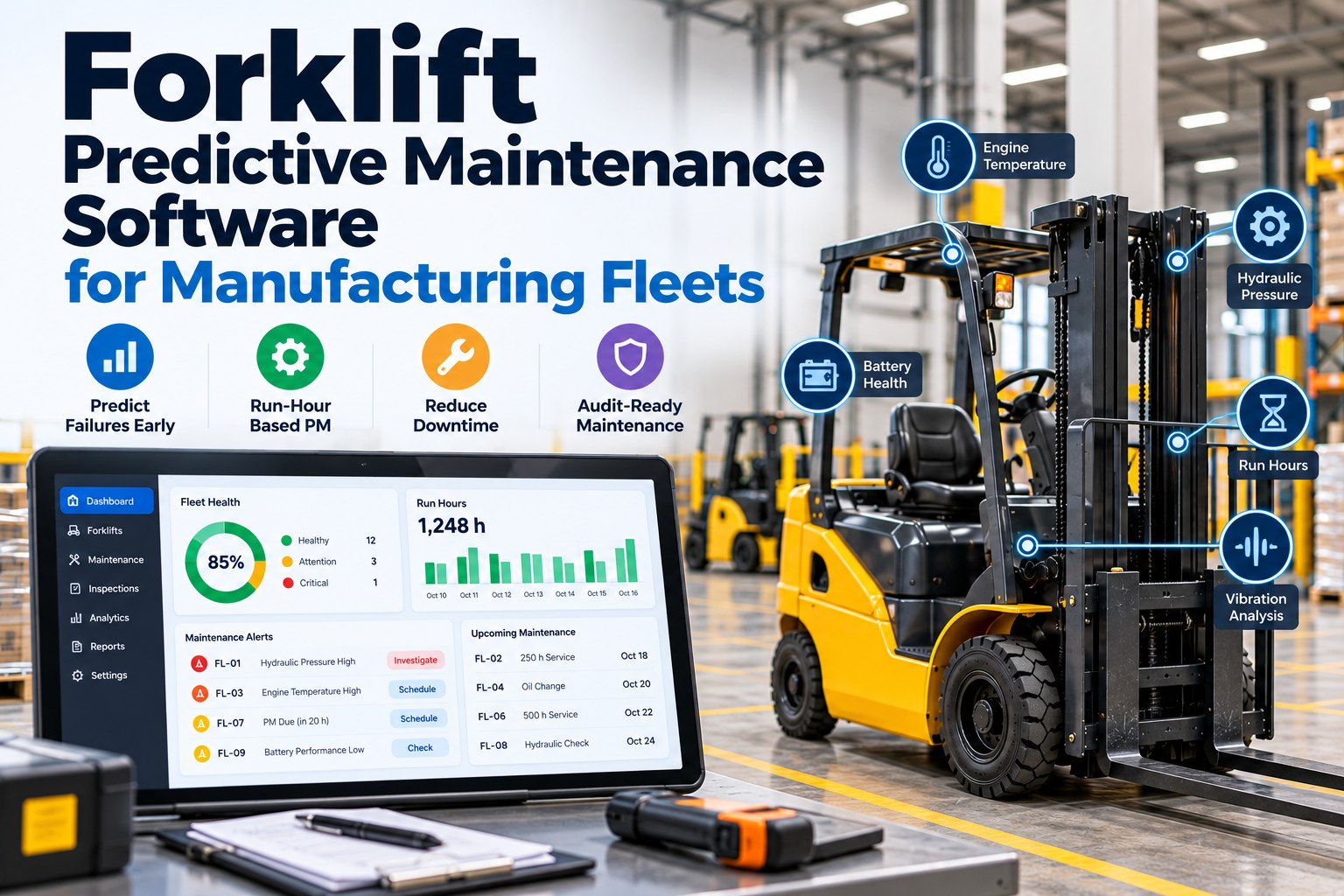
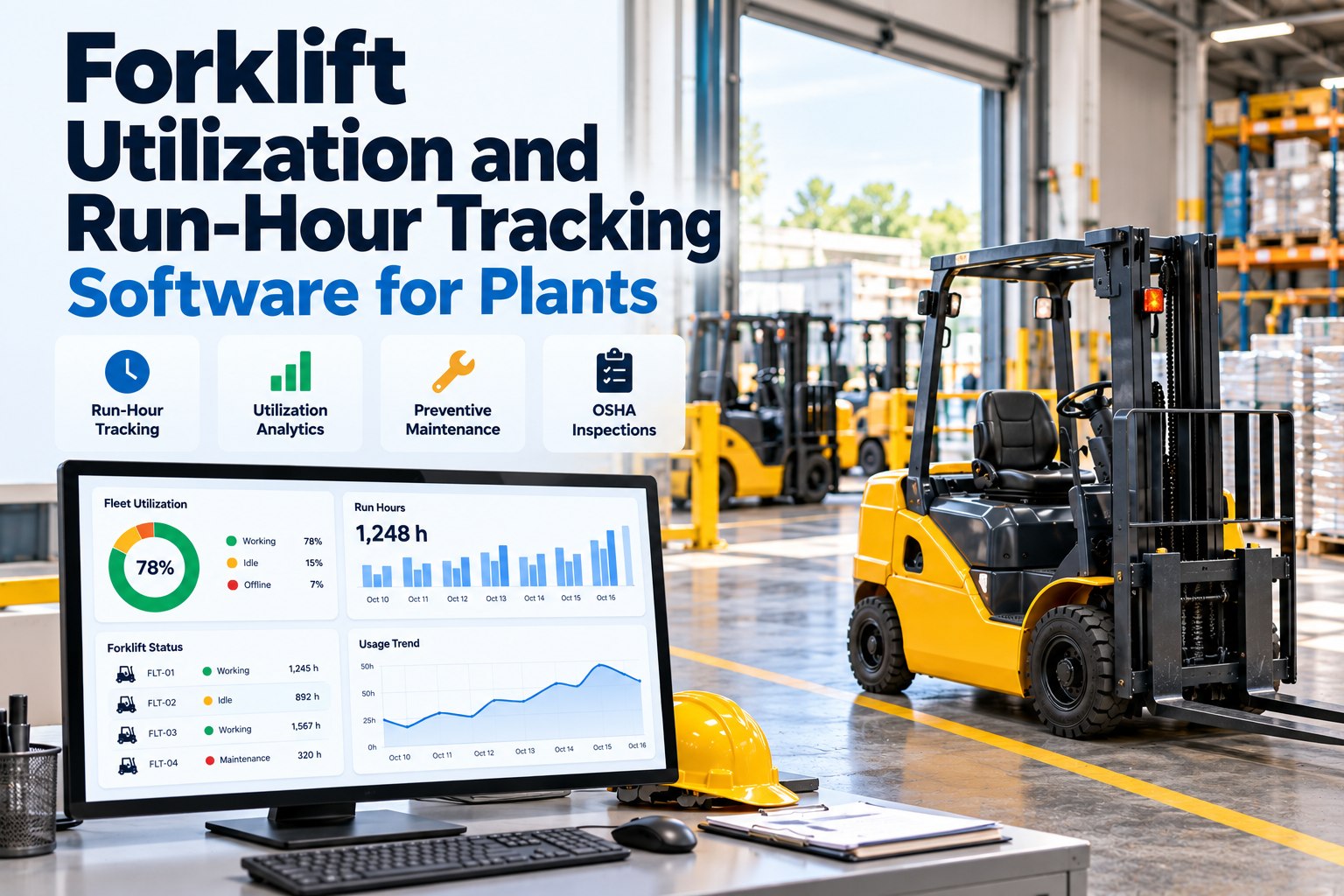
FleetRabbit was built around exactly this kind of continuous compliance tracking. The platform stores every operator's training and evaluation history, sends automated alerts before certifications lapse, and converts daily pre-shift inspections into digital records with automatic truck lockout when a defect is reported. Maintenance history stays attached to each vehicle for its entire service life, giving plant managers a defensible audit trail without extra administrative overhead.
FleetRabbit keeps operator training, triennial evaluations, and daily inspections in one auditable system. Start your free trial with no credit card required and see your compliance status in minutes.
Frequently Asked Questions
Stop reassembling training files and inspection logs the week an auditor calls. FleetRabbit keeps operator certifications, triennial evaluations, and daily inspections organized and ready year-round.