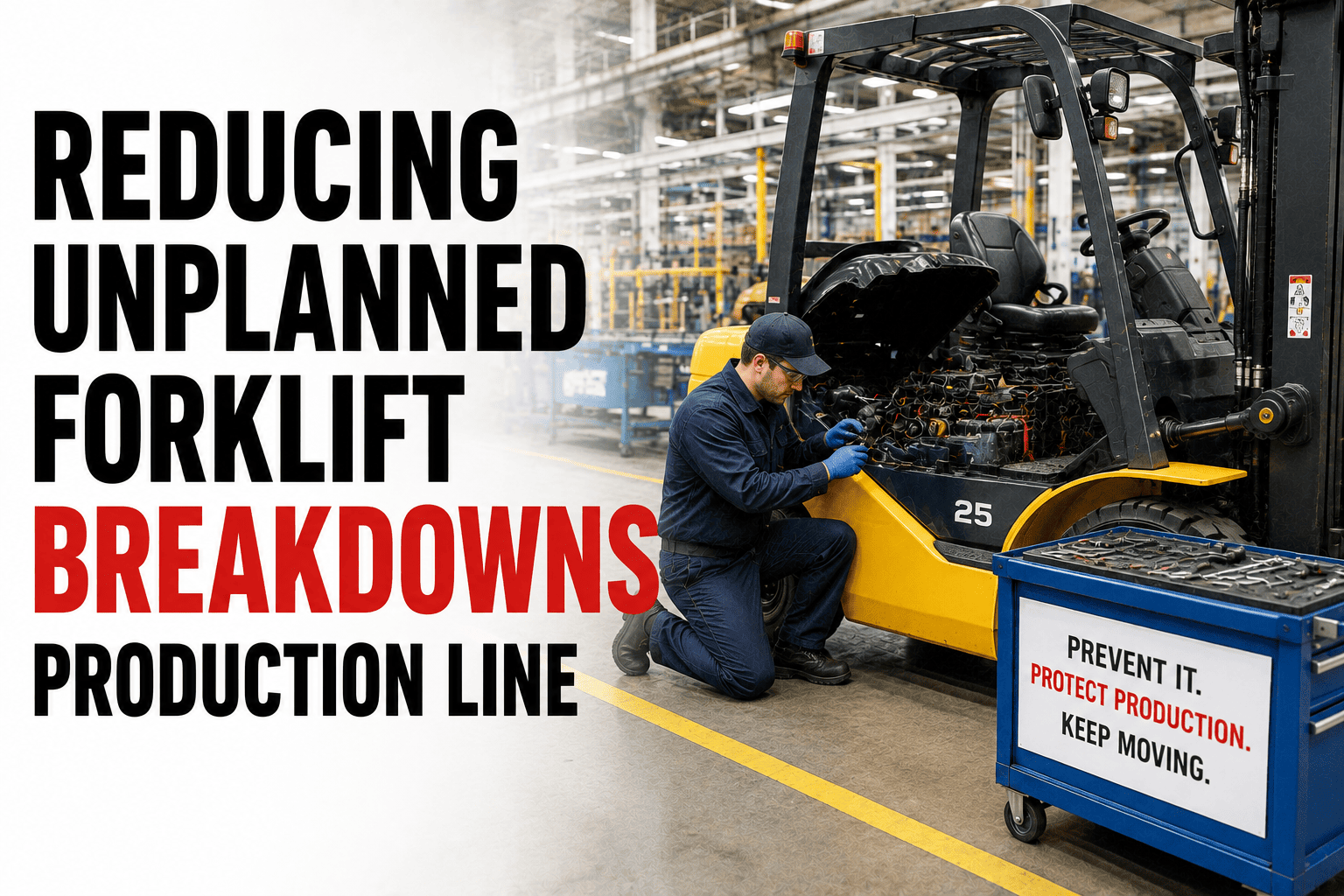
A production line doesn't stop because a machine on the line fails. More often, it stops because the forklift feeding that line goes quiet. One stalled truck at the wrong moment means no raw material at the infeed, no pallets cleared from the outfeed, and a supervisor watching the whole schedule slip in real time. Unplanned forklift breakdowns are rarely dramatic. They start small, get ignored, and then show up as a truck parked in the shop while the line waits.
A single forklift breakdown can stall a production line for 2000 to 8000 dollars an hour in high-throughput plants, and unplanned repairs cost 3 to 5 times more than the same job done on a planned schedule. Roughly 42 percent of downtime hours trace back to equipment failure that predictive, hour-based maintenance can catch early. FleetRabbit helps plants sign up and monitor fleet health before a truck ever strands the line.
What One Stalled Forklift Really Costs Your Line
The repair bill is the smallest part of the damage. In high-throughput manufacturing environments, line stoppage costs typically run between 2000 and 8000 dollars per hour, and that clock starts the moment the forklift goes down, not when the repair finally finishes. Unplanned repairs also cost more in every category than the same job done on schedule, since technicians work overtime instead of standard hours, parts get rushed in instead of ordered normally, and planned preventive work gets pushed back to cover the emergency. The total maintenance cost of an unplanned failure typically runs 3 to 5 times higher than the identical repair completed on a planned schedule.
Equipment failure alone accounts for roughly 42 percent of unplanned downtime hours across material handling operations, which means nearly half of all stoppages are traceable to conditions that were building for days or weeks before the truck actually quit. That is the gap predictive maintenance is built to close, and it's why more plants are choosing to book a demo before their next breakdown rather than after it.
| What Gets Hit | Typical Impact | Why It Happens |
|---|---|---|
| Line Stoppage | 2000 to 8000 dollars per hour | Downstream stations wait for material with no backup truck available |
| Emergency Repair Premium | 3 to 5 times planned cost | Overtime labor rates and expedited parts shipping replace standard procurement |
| Diverted Technician Time | Delays to other scheduled work | Maintenance staff pulled off planned jobs to fight the emergency first |
| Shift and Overtime Cost | Hundreds of dollars per incident | Operators reassigned or held back while the line catches up on lost output |
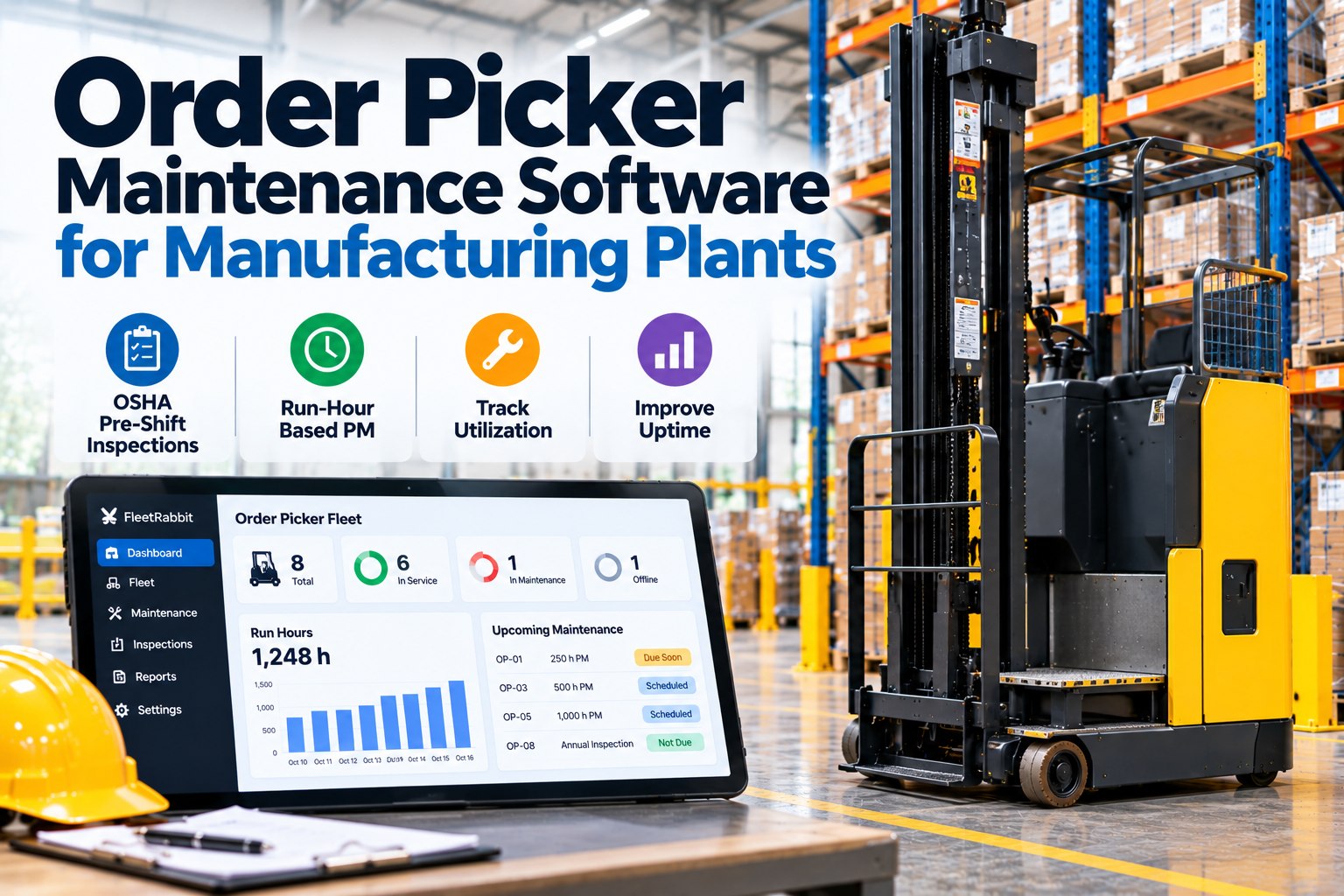
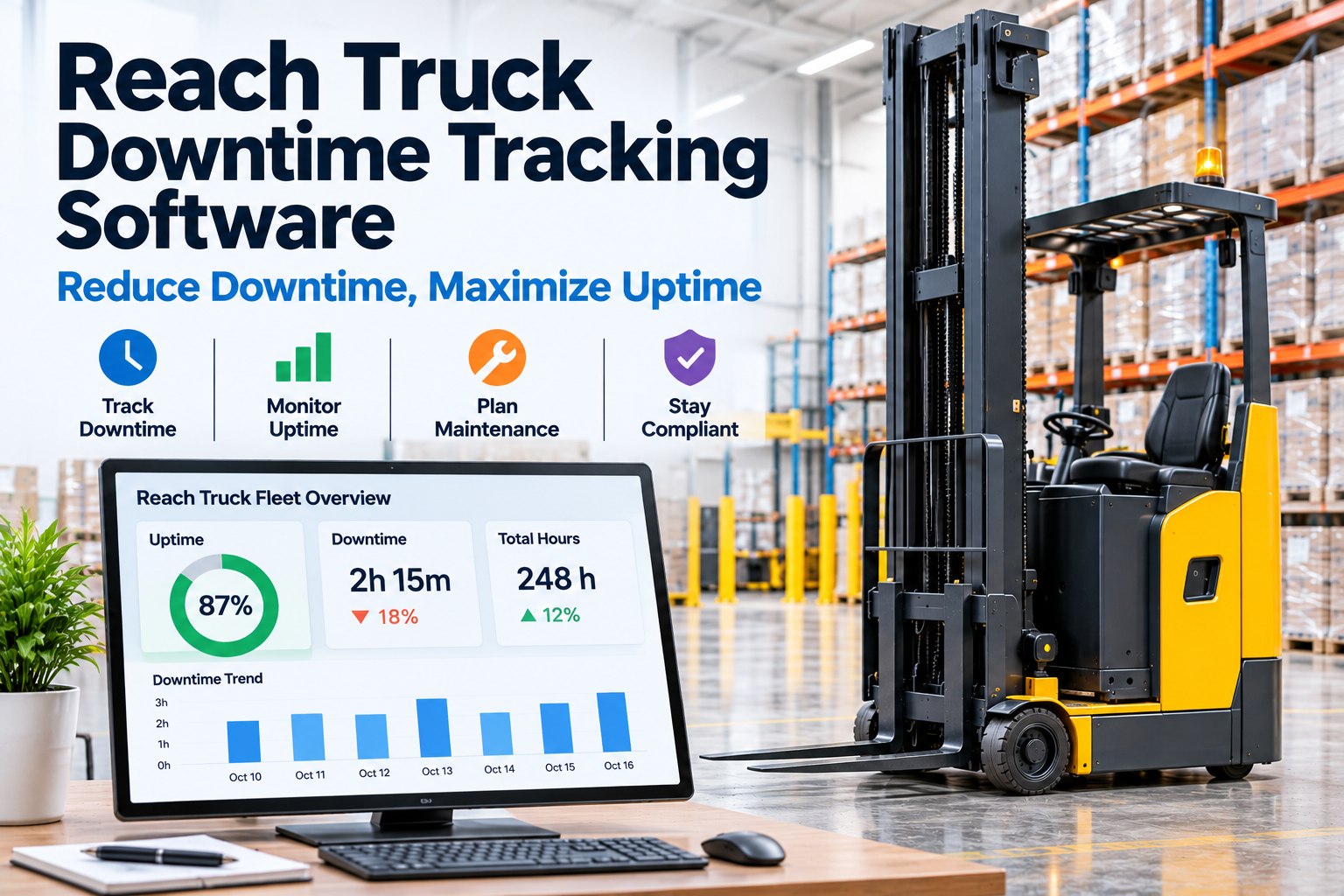
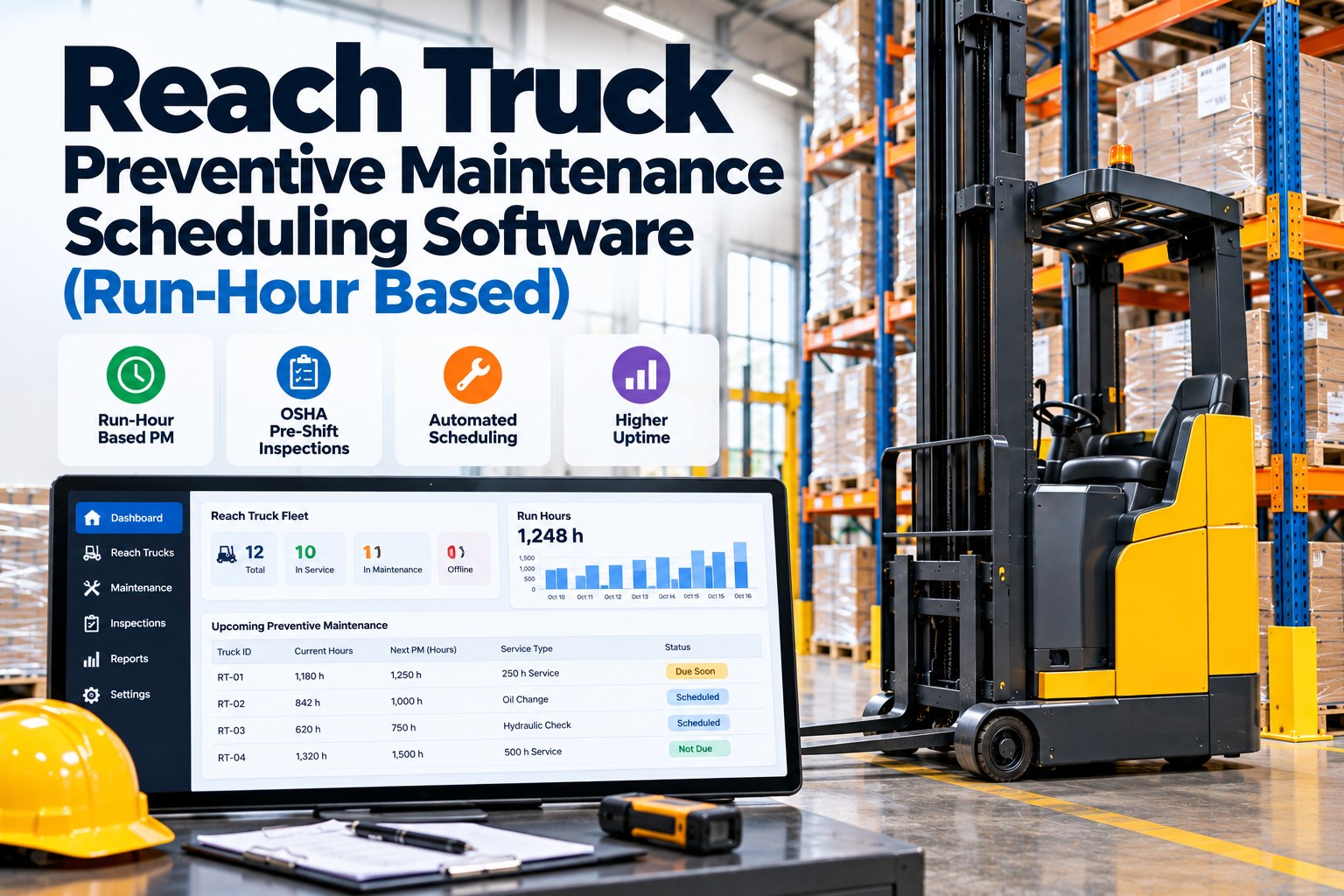
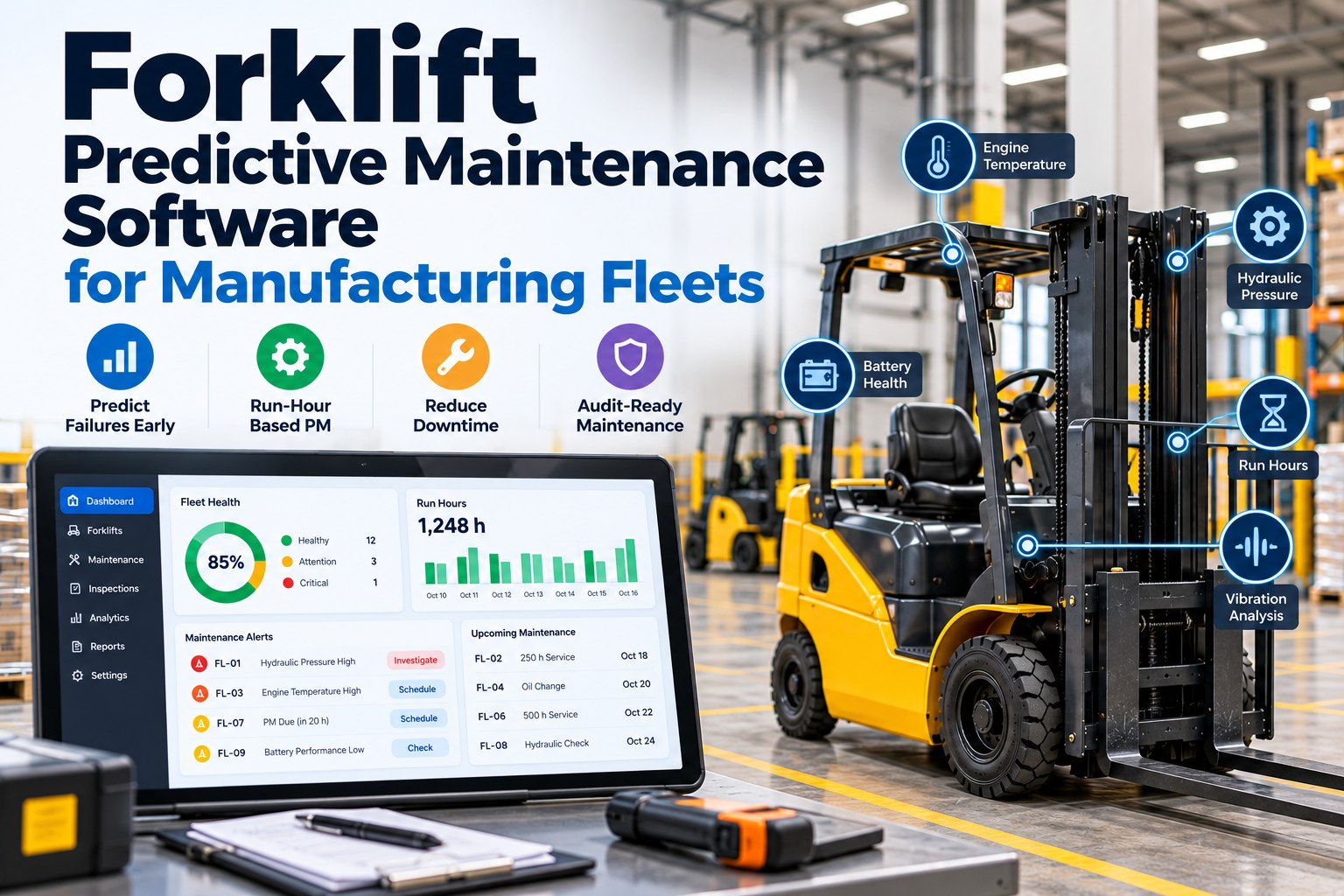
FleetRabbit tracks real operating hours, not calendar dates, so wear on batteries, hydraulics, and tires gets flagged before it becomes an unplanned stop. Plants using FleetRabbit schedule repairs around the production plan instead of around it.
Where Breakdowns Actually Start
Almost no forklift fails without warning. It fails after a series of small signals went unnoticed, most of which trace back to one of four systems.
Battery and Charging Neglect
Inconsistent charging cycles, low water levels on lead-acid units, and corroded terminals shorten battery life and eventually leave a truck without power mid-shift. A fixed charging routine and periodic terminal checks catch this early.
Hydraulic Leaks and Mast Wear
Hoses, seals, and fittings degrade with use, and a small leak that goes unreported turns into slow lifting, lost pressure, or an unstable mast. Daily fluid checks and prompt seal replacement stop this before it reaches the load.
Tire Damage and Uneven Wear
Worn or flat-spotted tires strain the transmission, affect handling, and raise the risk of a sudden stop on the floor. Regular tread and pressure checks keep this from becoming a bigger mechanical failure.
Missed or Rushed Inspections
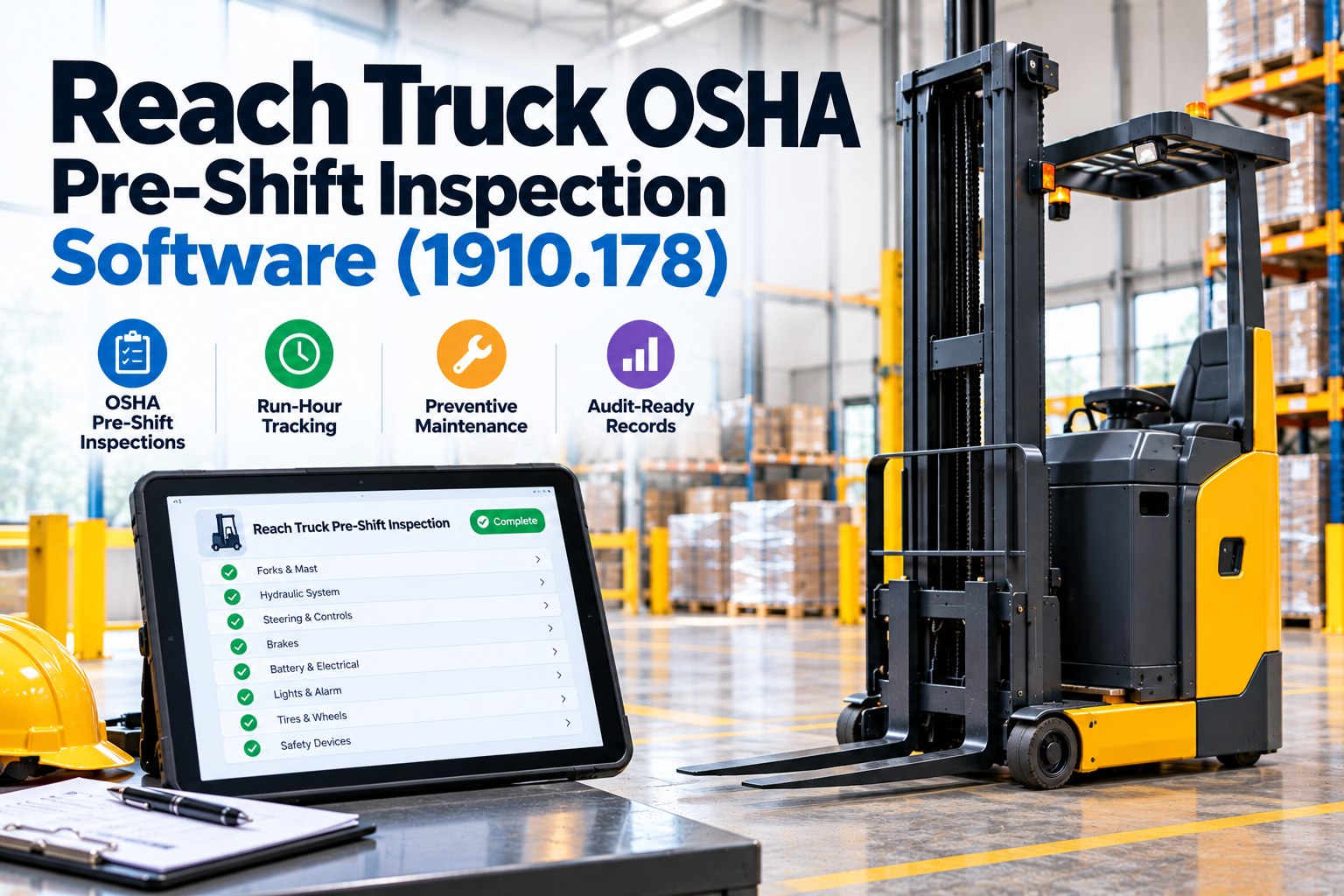
Calendar-based servicing misses trucks that run harder shifts than others, letting wear accumulate past the point a scheduled check would have caught it. Hour-based tracking matches maintenance to actual use instead of the date.
Building a Breakdown-Proof Maintenance Routine
Preventing line-stopping failures isn't about more paperwork, it's about catching the right signal at the right time. A working routine follows four steps in order.
Track Actual Hours, Not Dates
Move maintenance intervals from the calendar to real operating hours so heavily used trucks get serviced sooner than light-duty ones.
Flag Wear Before It Fails
Monitor battery cycles, hydraulic pressure, and tire condition so a developing issue gets scheduled instead of discovered on the floor.
Schedule Around Production
Route repairs to low-demand windows so maintenance never competes with the line for the same hour of the day.
Review Every Incident
Log every breakdown and its cause so repeat failures on the same truck or component get fixed at the root, not patched again.
Warning Signs Before a Forklift Fails
Operators usually notice something is off long before a truck actually stops. Treating these signs as maintenance requests instead of minor annoyances is one of the simplest ways to keep a breakdown off the line.
FleetRabbit connects operator reports, telematics data, and maintenance scheduling into one view, so the small signals your operators already notice get acted on before they become a stalled line. Start free and see it on your own fleet.
Frequently Asked Questions
Every unplanned forklift breakdown is a signal your maintenance program missed. FleetRabbit catches battery, hydraulic, and tire wear early, so repairs happen on your schedule instead of the line's worst possible moment. Sign up free or book a short demo to see how it fits your plant.