The powertrain systems in American vehicles have evolved dramatically over the past several decades, transitioning from relatively simple mechanical systems to sophisticated electromechanical networks requiring specialized diagnostic approaches. From the robust V8 engines of classic muscle cars to modern turbocharged powerplants and emerging electric drivetrains, American automotive manufacturers have developed unique powertrain architectures that present specific diagnostic and repair challenges. Whether you're maintaining a Ford F-150, diagnosing a Chevrolet Silverado, or repairing a Dodge Ram, understanding the intricacies of American powertrains is essential for effective service.
Understanding American Powertrain Evolution
The evolution of American powertrains provides important context for modern diagnostic and repair approaches.
"Modern American powertrains represent the culmination of over a century of engineering development, with each manufacturer establishing distinctive design philosophies and technical approaches that influence today's diagnostic and repair procedures."
Key Development Phases
American powertrain technology has evolved through several distinct phases:
- 1950s-1970s: Large displacement, low-complexity V8 engines with simple transmissions
- 1980s-1990s: Introduction of electronic engine controls and early diagnostic systems
- 2000s-2010s: Advanced emissions controls, multi-speed transmissions, and comprehensive OBD-II systems
- 2010s-Present: Turbocharged small-displacement engines, 8-10 speed transmissions, hybrid systems, and full electrification
These evolutionary stages have created a diverse landscape of powertrain systems requiring different diagnostic approaches and repair techniques.
Diagnostic Tools and Technologies for American Powertrains
Effective powertrain diagnosis begins with selecting the right tools and understanding their applications.
Essential Diagnostic Equipment
For comprehensive American powertrain diagnostics, several tool categories are essential:
Scan Tools and Software
Modern American vehicles require sophisticated scanning capabilities:
- OEM-Specific Scanners: For deep access to manufacturer-specific parameters
- Enhanced Aftermarket Tools: With American vehicle coverage for systems beyond generic OBD-II
- Bidirectional Control Capability: To activate components for testing purposes
- PID Monitoring: For real-time parameter tracking during road tests
- Data Recording: To capture intermittent issues during driving conditions
Pressure Testing Equipment
Hydraulic and pneumatic systems require specialized testing tools:
- Transmission Pressure Test Kits: With adapters for common American transmissions
- Fuel Pressure Testers: Capable of handling both port and direct injection systems
- Cooling System Pressure Testers: For head gasket and water pump diagnosis
- Cylinder Compression Gauges: For engine mechanical testing
- Cylinder Leakage Testers: For valve and ring evaluation
Electrical Testing Equipment
Electrical diagnosis requires precision instruments:
- Digital Multimeters: With min/max recording capabilities
- Current Clamp Meters: For parasitic draw and actuator testing
- Oscilloscopes: For sensor and communication network analysis
- Circuit Testers: For rapid voltage and ground checks
- Insulation Testers: For high-voltage system safety verification on hybrids and EVs
"The transition from basic mechanical diagnosis to sophisticated electronic analysis represents the most significant shift in American powertrain service over the past three decades, requiring continuous investment in both equipment and education."
Diagnostic Approaches for American Powertrains
Beyond the tools themselves, effective diagnosis requires systematic methodology:
The Diagnostic Hierarchy
A structured diagnostic approach typically follows this hierarchy:
- Verify the Complaint: Experience the issue firsthand when possible
- Check for Technical Service Bulletins: Research known issues for the specific powertrain
- Retrieve and Analyze Fault Codes: Understand both active and pending codes
- Evaluate Freeze Frame Data: Examine conditions when faults occurred
- Perform Pinpoint Tests: Follow manufacturer-specific diagnostic trees
- Test Related Systems: Consider interactions between powertrain components
- Verify the Repair: Confirm the problem is resolved through comprehensive testing
American-Specific Diagnostic Considerations
American powertrains often present unique diagnostic challenges:
- Multiple Control Modules: Systems distributed across numerous computers
- Network Communications: Complex interaction between modules
- Adaptive Learning Parameters: Values that must be reset after repairs
- Regional Variations: Differences in emissions equipment based on original sales location
- Aftermarket Modifications: Performance enhancements that affect diagnostic procedures
Digital maintenance records that track diagnostic history provide valuable context for addressing recurring or related issues.
Ford Powertrain Diagnostics and Repair
Ford vehicles present specific diagnostic and repair considerations across their powertrain lineup.
Engine Diagnostic Approaches
Ford engines require tailored diagnostic strategies:
EcoBoost Technology Diagnosis
Ford's turbocharged EcoBoost engines present unique challenges:
- Intercooler Condensation Issues: Particularly in humid environments
- Carbon Buildup on Intake Valves: Due to direct injection design
- Turbocharger Wastegate Concerns: Requiring precise actuator evaluation
- Variable Cam Timing Problems: Often related to oil quality or screen blockage
- Cooling System Integrity: Critical for preventing overheating under boost
Coyote V8 Considerations
The popular 5.0L Coyote V8 has specific diagnostic requirements:
- Variable Cam Timing Diagnosis: Including phaser and solenoid testing
- Oil Pressure Evaluation: Particularly important for Ti-VCT system function
- Cylinder Deactivation Systems: On newer variants with advanced fuel management
- Exhaust Manifold Leaks: Common on higher-mileage examples
- Cooling System Flow Testing: To verify proper cylinder head cooling
Ford Transmission Repair Strategies
Ford transmissions have evolved significantly, requiring specialized knowledge:
10R80 10-Speed Automatic Diagnosis
Ford's modern 10-speed requires detailed understanding:
- Solenoid Body Evaluation: Testing individual shift solenoids
- Pressure Testing Procedures: Verifying hydraulic circuit integrity
- Adaptive Learning Reset: Required after component replacement
- Clutch Pack Wear Analysis: Identifying which clutches require replacement
- Valve Body Inspection: Checking for wear and debris accumulation
"The complexity of modern Ford transmissions like the 10R80 demands a systematic diagnostic approach that combines electronic testing, hydraulic evaluation, and mechanical inspection to identify the root cause of performance issues."
PowerShift DCT Diagnostics
The PowerShift dual-clutch transmission requires specialized diagnosis:
- Clutch Shudder Analysis: Differentiating between normal operation and failure
- Actuator Motor Testing: Verifying proper function of shift motors
- Input Shaft Seal Leakage: Identifying transmission fluid contamination of clutches
- Control Module Calibration: Ensuring latest software updates are installed
- Clutch Adaptive Learning: Performing reset procedures after repair
Digital maintenance records help track transmission repair history and identify patterns that may indicate underlying issues beyond individual component failures.
Chevrolet Engine Diagnostics
General Motors powertrains present their own set of diagnostic and repair considerations.
Small Block V8 Diagnostic Procedures
The legendary GM small block V8 family requires specific approaches:
LS/LT Engine Family Analysis
Modern GM V8 engines have specific diagnostic requirements:
- Active Fuel Management/Dynamic Fuel Management: Diagnosing cylinder deactivation issues
- Variable Valve Timing Diagnosis: Testing solenoids, actuators, and oil flow
- Lifter Failure Analysis: Particularly in AFM/DFM systems
- Low-Speed Pre-Ignition: In turbocharged variants
- Oil Consumption Evaluation: Distinguishing between normal and excessive use
Duramax Diesel Diagnostics
The Duramax diesel engine family presents unique challenges:
- Fuel System Contamination: Testing for water and debris in the fuel system
- Injection Control Pressure Testing: Verifying proper high-pressure pump function
- EGR System Evaluation: Checking for clogging and flow restrictions
- CP4 Pump Failure Analysis: A common high-pressure pump concern
- Emissions System Testing: Including SCR, DEF, and DPF components
Chevrolet Transmission Diagnostics
GM transmissions require specific diagnostic approaches:
8L90/10L90 Transmission Diagnosis
Modern GM multi-speed transmissions present unique challenges:
- Clutch Pack Wear Patterns: Identifying specific failed clutches
- Pressure Tap Testing: Verifying proper hydraulic pressure in various ranges
- Accumulator Function: Testing mechanical and hydraulic accumulators
- TCC Shudder Diagnosis: Distinguishing between fluid and mechanical issues
- Valve Body Inspection: Checking for bore wear and debris damage
"The integration between engine and transmission management systems in modern Chevrolet powertrains creates diagnostic complexities that require a holistic approach, examining how these systems interact rather than viewing them as separate entities."
Allison Transmission Diagnosis in Heavy-Duty Applications
Allison transmissions in Chevrolet/GMC trucks require specialized knowledge:
- PTO Circuit Testing: For commercial applications with power takeoff
- Cooler Flow Evaluation: Ensuring proper transmission cooling
- Range Inhibitor Circuit Analysis: Diagnosing shift interlock issues
- Output Speed Sensor Verification: Critical for shift timing
- Main Pressure Tap Testing: Checking hydraulic system integrity
Comprehensive maintenance records that track both engine and transmission service history provide valuable context for diagnosing integrated powertrain issues.
Dodge Drivetrain Maintenance
Stellantis (formerly FCA) vehicles present unique powertrain maintenance considerations.
HEMI Engine Diagnostic Procedures
The iconic HEMI engine family requires specific maintenance approaches:
5.7L and 6.4L HEMI Diagnosis
Modern HEMI engines have several common maintenance points:
- Multi-Displacement System (MDS) Testing: Verifying solenoid and lifter function
- Valve Train Noise Diagnosis: Distinguishing between normal and problematic sounds
- Exhaust Manifold Bolt Failure: A common issue requiring early detection
- Oil Consumption Analysis: Determining normal vs. problematic usage
- Cooling System Flow Testing: Particularly important for high-performance applications
Cummins Diesel Maintenance in Ram Trucks
The Cummins diesel engines in Ram trucks have specific service requirements:
- Fuel System Contamination Testing: Critical for injection system longevity
- Grid Heater Diagnostics: Essential for cold-weather starting
- Lift Pump Performance Evaluation: Often overlooked during diagnosis
- Exhaust Brake Function: Verifying proper operation for towing
- Oil Cooler Flow Testing: Essential for preventing overheating
Dodge Transmission Maintenance
Dodge/Ram transmissions present unique maintenance challenges:
ZF 8HP Transmission Service
The widely used ZF 8-speed requires specific maintenance:
- Adaptation Reset Procedures: After component replacement
- Mechatronic Unit Testing: Verifying solenoid and valve function
- Fluid Condition Analysis: Critical for shift quality
- Clutch Pack Wear Evaluation: Through pressure testing and scan tool data
- Torque Converter Clutch Diagnosis: Identifying shudder and engagement issues
"The integration of high-torque engines with sophisticated transmissions in modern Dodge vehicles creates unique maintenance requirements that differ significantly from other American manufacturers, requiring specialized diagnostic approaches and repair techniques."
68RFE and AS69RC Heavy-Duty Transmission Diagnosis
Ram truck heavy-duty transmissions require specific attention:
- Solenoid Pack Testing: Identifying individual solenoid failures
- Pressure Testing Sequence: Following specific port test procedures
- Clutch Volume Index Monitoring: Through scan tool data
- Cooler Flow Verification: Essential for towing applications
- Valve Body Inspection: Checking for warpage and wear
Maintaining detailed service records for these complex systems helps identify patterns and predict potential failures before they cause catastrophic damage.
Electric Vehicle Powertrain Diagnostics
As American manufacturers expand their electric vehicle offerings, new diagnostic approaches are required.
Ford Electric Vehicle Systems
Ford's electric vehicles present new diagnostic challenges:
Mustang Mach-E and F-150 Lightning Diagnostics
Ford's modern EVs require specialized knowledge:
- High-Voltage Isolation Testing: Verifying system safety and integrity
- Battery Cell Balancing Analysis: Identifying weak modules or cells
- Drive Unit Noise Diagnosis: Distinguishing between normal and problematic sounds
- Thermal Management System Testing: Critical for battery health and performance
- DC Fast Charging System Evaluation: Verifying proper charge acceptance rates
General Motors Ultium Platform
GM's dedicated EV architecture presents unique diagnostic considerations:
- Battery Module Isolation Testing: Identifying individual module issues
- Drive Motor Analysis: Testing for proper power output and efficiency
- Power Inverter Cooling Evaluation: Critical for performance consistency
- Regenerative Braking Calibration: Verifying proper blending with friction brakes
- Battery Thermal Management Testing: Essential for longevity and charging speed
"The transition to electric powertrains in American vehicles represents not just a change in components but a fundamental shift in diagnostic philosophy, requiring new tools, techniques, and safety protocols."
High-Voltage Safety Considerations
EV powertrain work requires strict safety protocols:
- Proper Lockout/Tagout Procedures: Following manufacturer-specific deactivation steps
- Insulated Tool Requirements: Using properly rated tools for high-voltage work
- Personal Protective Equipment: Including insulated gloves and face shields
- Workspace Isolation: Establishing safety zones for high-voltage service
- Verification Testing: Confirming zero energy state before component access
Digital maintenance systems that include safety procedure verification help ensure these critical steps are never overlooked during EV powertrain service.
Integrating Diagnostics with Maintenance Management
The complexity of modern American powertrains makes systematic maintenance management essential.
Powertrain Maintenance Tracking
Effective powertrain management requires comprehensive tracking:
- Fluid Service History: Including specifications and intervals
- Repair Documentation: With failed component analysis
- Software Update Records: Tracking ECU and TCM programming changes
- Component Replacement History: With part numbers and specifications
- Diagnostic Trouble Code Archives: Providing historical context for recurring issues
Predictive Maintenance Approaches
Advanced maintenance systems enable predictive strategies:
- Trend Analysis: Identifying developing issues before failure
- Fleet-Wide Patterns: Recognizing common failures across similar vehicles
- Interval Optimization: Adjusting service timing based on actual conditions
- Component Life Prediction: Estimating remaining useful life
- Failure Prevention Scheduling: Planning service before breakdowns occur
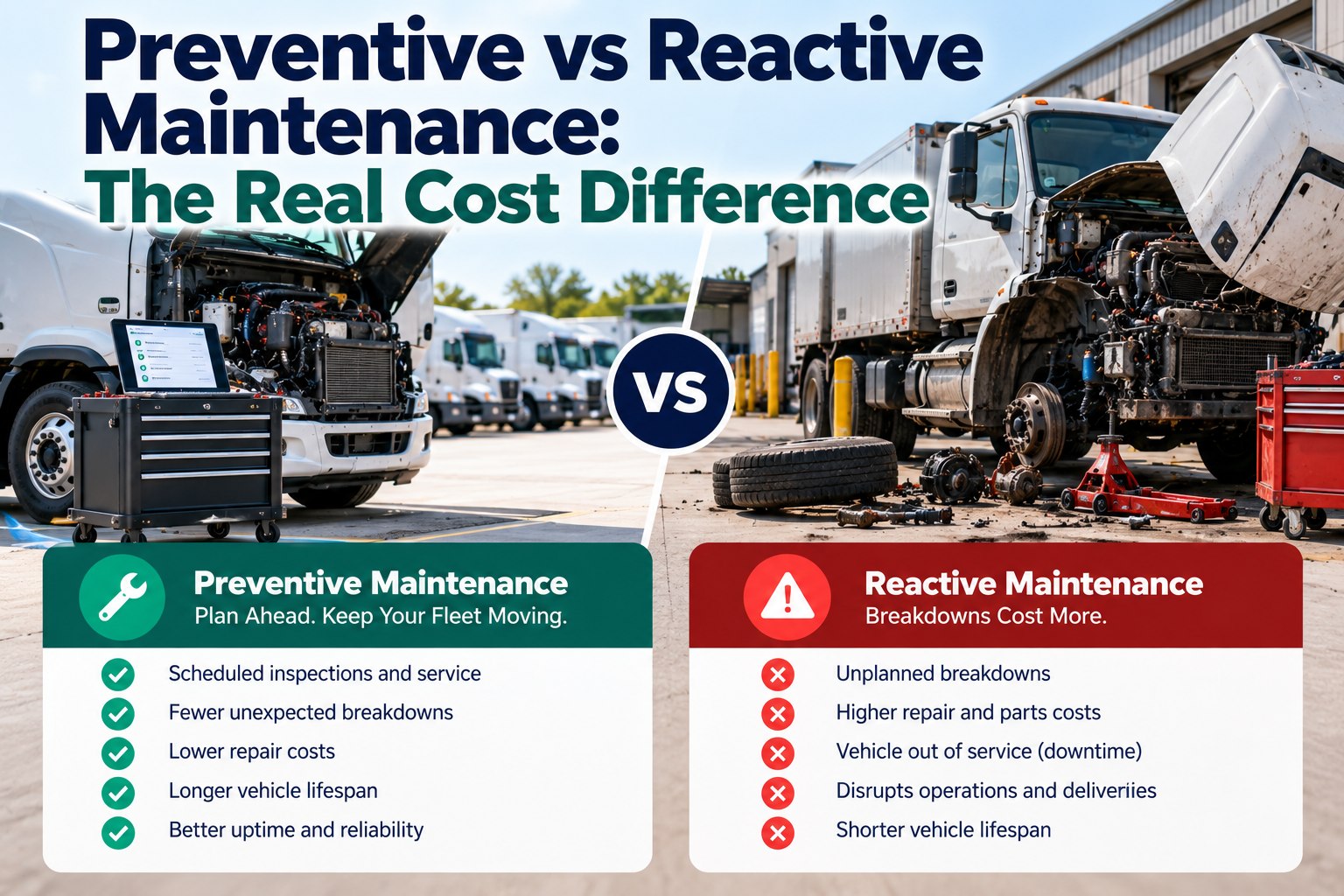
"The transition from reactive to predictive powertrain maintenance represents one of the most significant opportunities for improving reliability and reducing costs in American vehicle fleets, but depends on comprehensive data collection and analysis."
Digital Maintenance Integration
Modern maintenance platforms provide key advantages:
- Real-Time Data Access: Viewing vehicle history from any location
- Integrated Service Scheduling: Based on diagnostic findings
- Parts Inventory Management: Ensuring availability for common repairs
- Labor Time Tracking: Monitoring efficiency and identifying training needs
- Cost Analysis Tools: Evaluating repair vs. replace decisions
Comprehensive digital maintenance systems transform individual repair events into strategic powertrain management, improving reliability while reducing total ownership costs.
Conclusion: The Future of American Powertrain Maintenance
As American powertrains continue to evolve, maintenance approaches must adapt to new technologies and systems. The increasing integration of traditional mechanical components with sophisticated electronic controls creates both challenges and opportunities for powertrain specialists.
The future of American powertrain maintenance will increasingly depend on diagnostic expertise, systematic approaches, and comprehensive data management. From the complex transmissions in Ford trucks to the sophisticated engine management systems in Chevrolet vehicles and the high-performance powertrains in Dodge products, each manufacturer presents unique maintenance requirements that benefit from specialized knowledge and tools.
For maintenance operations seeking to optimize their approach to American powertrain service, digital maintenance platforms like FleetRabbit provide the comprehensive tracking capabilities needed to implement predictive maintenance strategies. By documenting diagnostic procedures, repair outcomes, and maintenance intervals, these systems help ensure consistent service quality while building valuable historical data that informs future powertrain decisions.
As electrification continues to transform American powertrains, the integration of traditional and new technologies will require increasingly sophisticated maintenance approaches that combine mechanical expertise with advanced diagnostic capabilities and comprehensive data management.