Fuel is the single largest controllable expense in most fleet operations — consuming 21–30% of total operating costs. For a 50-truck fleet spending $500,000 a year on diesel, that's a line item bigger than driver wages, insurance, or maintenance. Yet in most operations, it's also the most poorly tracked. Receipts in a folder. Spreadsheets updated weekly. A vague sense that "something doesn't add up." In 2026, that approach is costing fleets $50,000–$125,000 annually in invisible waste — fuel burned while idling, gallons siphoned overnight, card fraud nobody catches until quarterly reconciliation, and routes that add unnecessary mileage nobody measures. Industry research shows the average fleet loses 6–15% of its annual fuel budget to theft, fraud, or unmonitored waste before a single mile is driven. See exactly where your fleet's fuel is going — book a free FleetRabbit demo →
The 5 Ways Your Fleet Budget Is Leaking Fuel Right Now
Most fleet managers know fuel costs are high. What's less visible is exactly, which of these five categories is consuming the most budget — because without real-time monitoring none of them are measurable until month-end reconciliation, when it's already too late to act.
Siphoning overnight, fuel card used by unauthorized personnel, fill-ups that exceed the tank's physical capacity, purchases 200 miles from any vehicle GPS position. Without transaction-level GPS matching none of these are detectable until a quarterly audit — if ever.
A Class 8 truck burns 0.8–1.0 gallons per hour at idle. A driver who idles 30 minutes daily — warming up in winter, waiting at loading docks, running HVAC at rest stops — burns over $1,000 in fuel annually per vehicle doing nothing. Multiply across 50 trucks and the line item is substantial. Almost none of it is captured in paper-based tracking.
Hard acceleration, excessive speed, late braking, and inconsistent throttle management create a measurable MPG spread between drivers on the same routes in the same vehicle class. Coaching the bottom 20% of drivers on these specific behaviors — with data rather than general advice — improves fleet-wide MPG by 8–12% within 60 days.
Dispatchers routing from experience rather than data, drivers taking familiar paths rather than efficient ones, and routes that don't account for load weight or traffic patterns all add unnecessary miles. When every mile costs $0.18–$0.22 in fuel alone, 15–30% route inefficiency at scale produces significant annual waste that compound route by route, shift by shift.
Under-inflated tires reduce fuel economy by 0.2% per PSI drop. Clogged air filters reduce engine efficiency by 5–10%. Poor engine tune reduces combustion efficiency. Fuel consumption anomalies detected by fleet software often reveal maintenance issues weeks before they generate a fault code — catching a failing fuel injector through unusual consumption data prevents both the fuel waste and the eventual roadside breakdown.
FleetRabbit tracks all five of these leak categories in real time. Start your free trial and see your fleet's fuel waste profile from day one →
How FleetRabbit Fuel Management Works
FleetRabbit's fuel management system connects three data sources that paper-based tracking keeps permanently separate: fuel card transactions, GPS vehicle location, and telematics consumption data. When all three are unified in real time, the anomalies that indicate theft, waste, and inefficiency become immediately visible — not months later in a reconciliation report.
Fuel Theft Detection: Catching What Monthly Statements Miss
Industry estimates suggest 3–7% of fleet fuel is lost to theft or unauthorized use annually. For a 50-truck fleet spending $500,000 on fuel, that's $15,000–$35,000 disappearing undetected. Monthly fuel card statements don't catch it because they show transactions, not anomalies. FleetRabbit's AI establishes a baseline for each vehicle and alerts on deviations in seconds, not months.
A Texas construction company discovered $35,000 in annual fuel theft within 90 days of implementing FleetRabbit. AI detected siphoning and a fuel card used 200 miles from any vehicle. See how FleetRabbit's theft detection works for your fleet — schedule a demo →
Driver MPG Scorecards: The Fastest Way to Cut Fuel Costs
Research consistently shows that the act of measurement itself drives 60–70% of the savings — when drivers know their fuel efficiency is tracked and visible, they improve their behavior before any coaching conversation happens. FleetRabbit's driver MPG scorecards make every driver's fuel performance visible, comparable, and coach-able.
Cost-Per-Mile Analytics: The Number Finance Actually Cares About
MPG is a driver coaching metric. Cost-per-mile is a business metric. FleetRabbit's fuel analytics translate consumption data into the dollar-per-mile figures that enable real operational decisions: which routes are profitable, which vehicles are past their economic life, and which customers are being undercharged for actual fuel cost.
What Fleets Achieve Within 90 Days
Ready to see what 18–25% fuel savings looks like for your fleet size? Book a free FleetRabbit demo — we'll model your specific savings estimate in 30 minutes →
Frequently Asked Questions
Which fuel cards does FleetRabbit integrate with?+
FleetRabbit integrates with all major commercial fuel card providers — including Comdata, Fuelman, EFS, FleetOne, and others. Integration is typically active within 24–48 hours of account setup, automatically pulling transaction data including gallons purchased, price paid, location, driver ID, and timestamp. No manual data entry required after initial connection. Book a demo to confirm your specific fuel card provider →
Do we need to install new hardware on vehicles for fuel tracking?+
No hardware replacement required in most cases. FleetRabbit connects to your existing GPS and telematics hardware and integrates with your fuel card provider. If you have no existing telematics, FleetRabbit supports manual mileage inputs and fuel card-only tracking as a starting point, with full telematics integration available when hardware is added. The fuel card integration alone catches the majority of theft and fraud anomalies without any vehicle hardware requirement. Start free — works with what you already have →
How does FleetRabbit detect fuel theft vs. normal fill-up variation?+
FleetRabbit's AI establishes a consumption baseline for each vehicle based on its fuel tank capacity, historical fill patterns, route type, and GPS position data. Anomaly detection fires when a transaction deviates significantly from the established baseline: a fill exceeding tank capacity is flagged immediately, a transaction location that doesn't match vehicle GPS triggers an alert in under 60 seconds, and consumption running 25%+ above baseline for a vehicle is flagged for review. The AI distinguishes between legitimate variation — seasonal fuel consumption changes, different load weights — and statistical outliers that indicate theft or fraud.
Can FleetRabbit generate IFTA fuel tax reports automatically?+
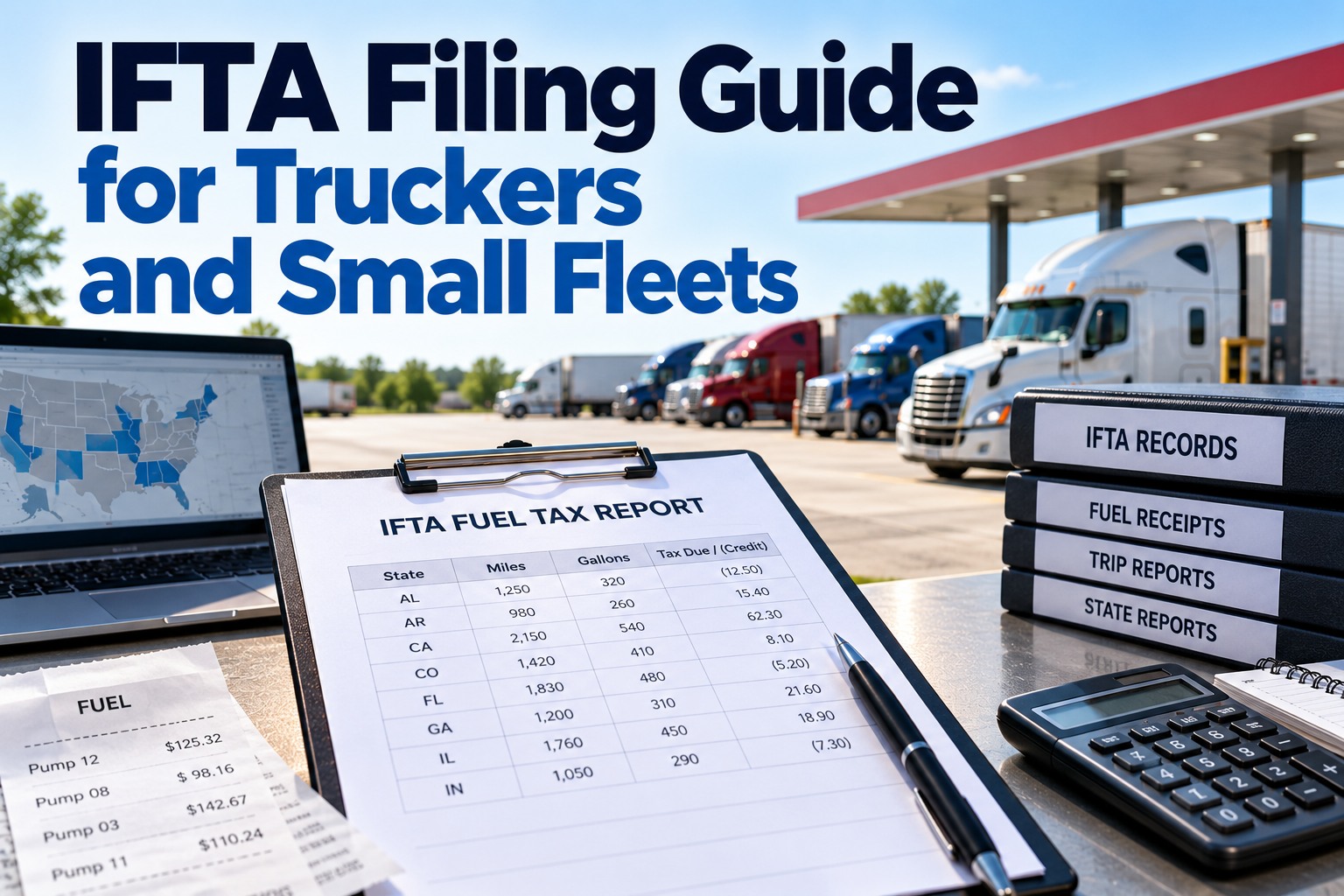
Yes. FleetRabbit's fuel management module tracks mileage by jurisdiction using GPS data and correlates it with fuel purchased by state, generating IFTA-formatted quarterly reports with one click. For fleets operating across multiple states, this replaces 8–15 hours of manual quarterly reconciliation work and eliminates the audit risk of lost receipts and estimated mileage calculations. The report exports directly in IFTA-compliant format ready for submission.
How quickly do fleets typically see measurable fuel savings after implementing FleetRabbit?+
Most fleets see measurable impact within the first two weeks: theft detection activates immediately upon fuel card integration, and idle monitoring alerts fire from the first day of operation. Driver behavior improvement — the largest single savings contributor — typically shows measurable MPG improvement within 30–45 days of scorecard activation and coaching conversations starting. Full 18–25% fuel cost reduction is typically documented at the 90-day mark. A Texas construction company with 35 vehicles reduced fuel costs 12% within the first quarter and recovered $35,000 in previously undetected theft. Book a demo to see savings projections for your fleet size →