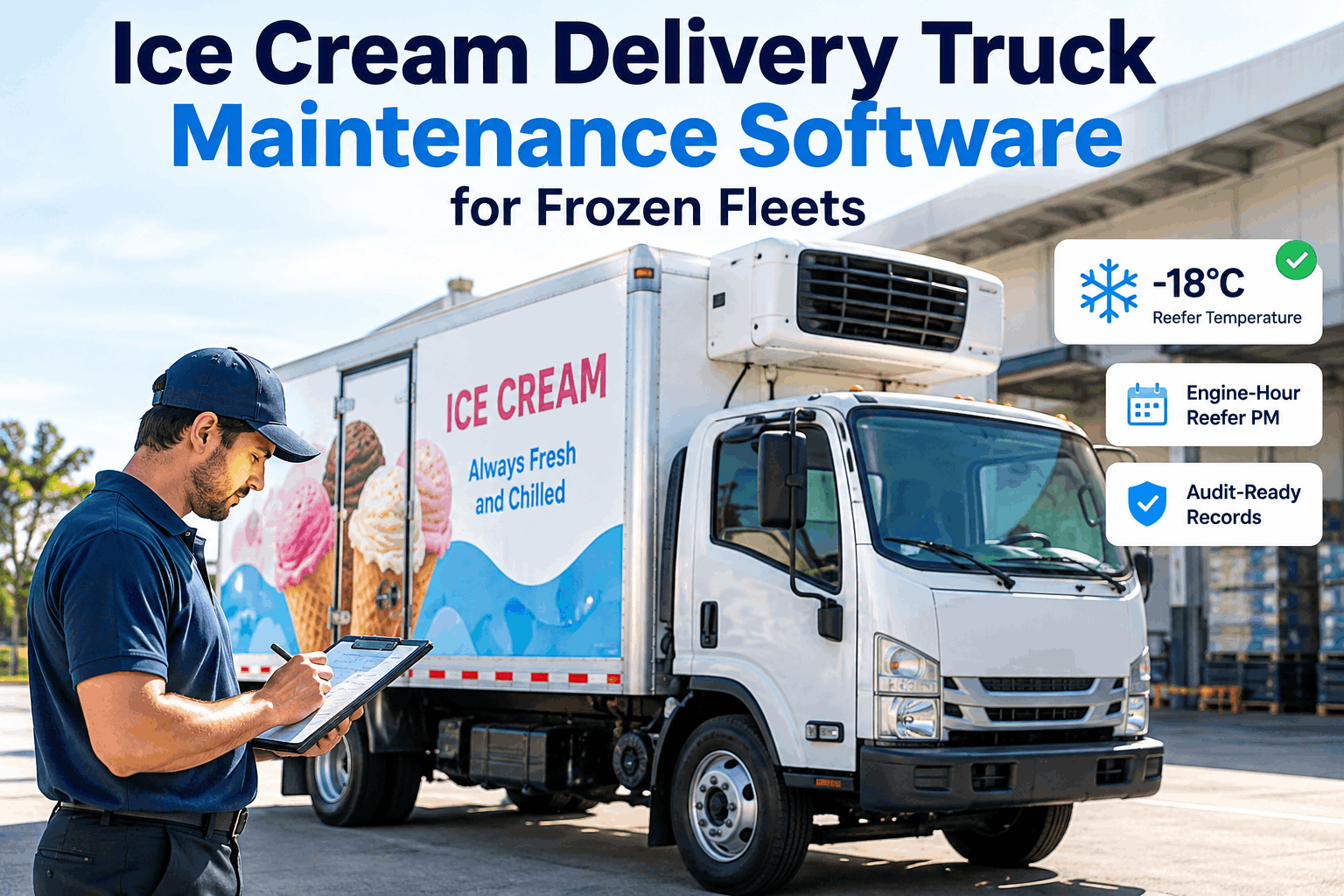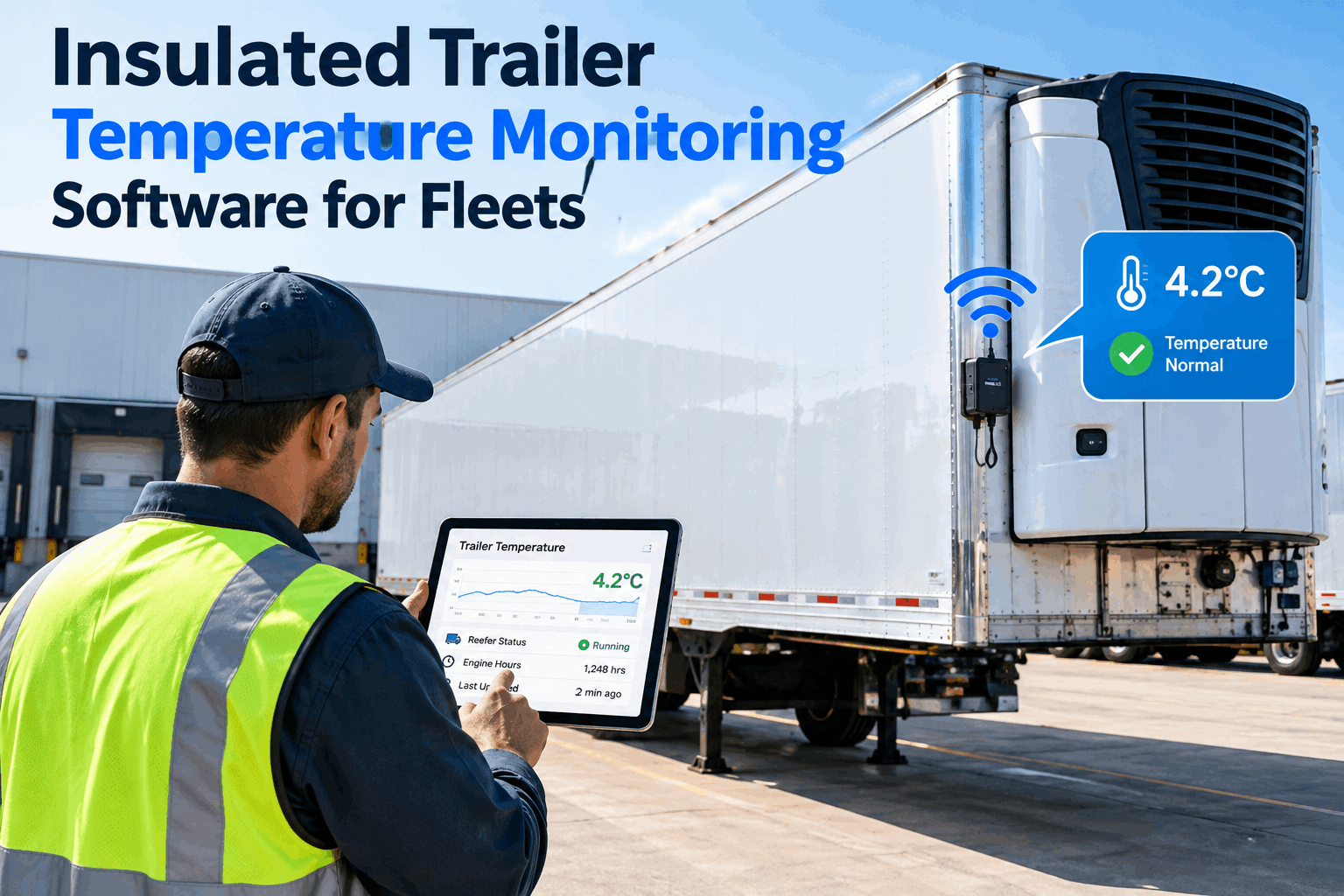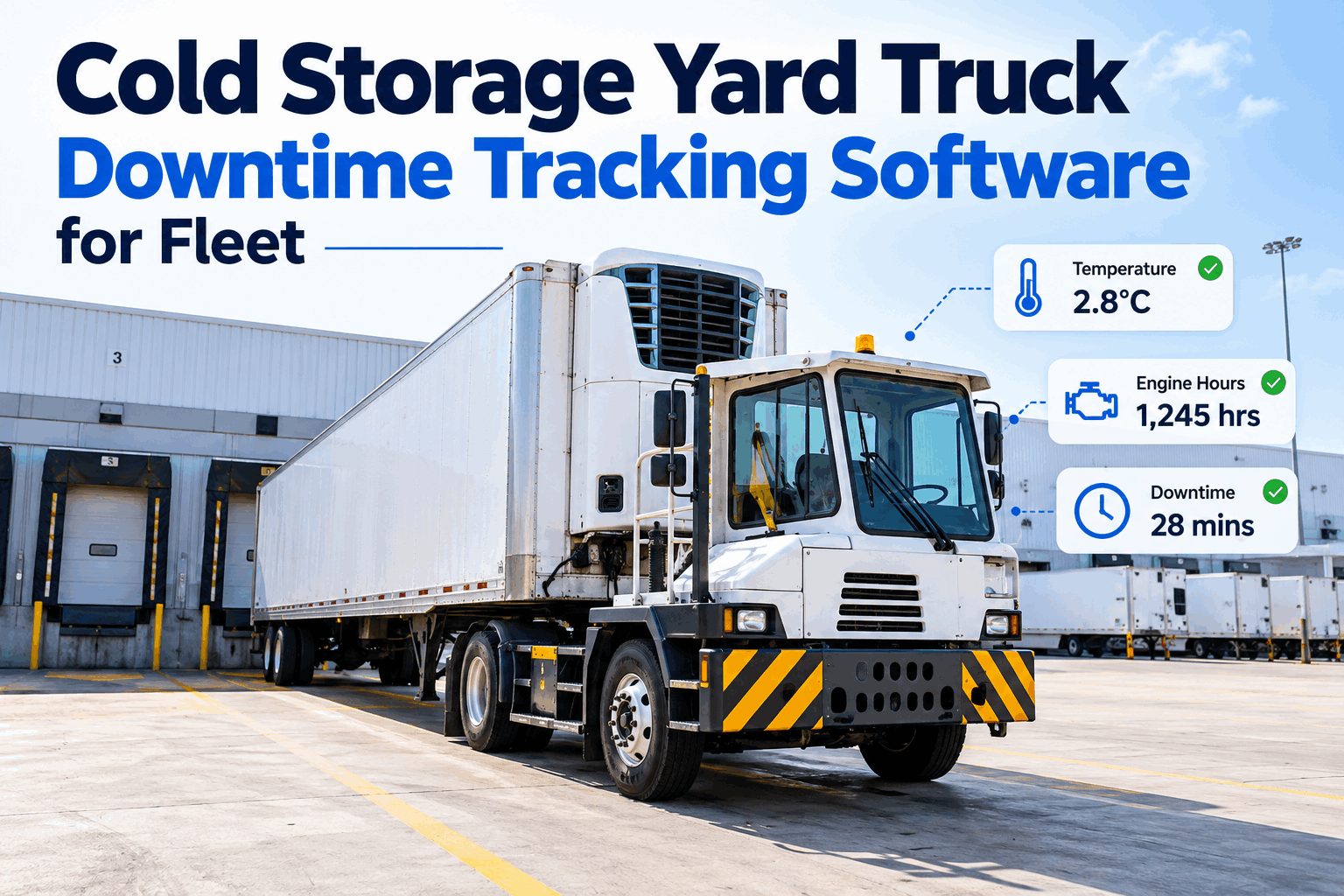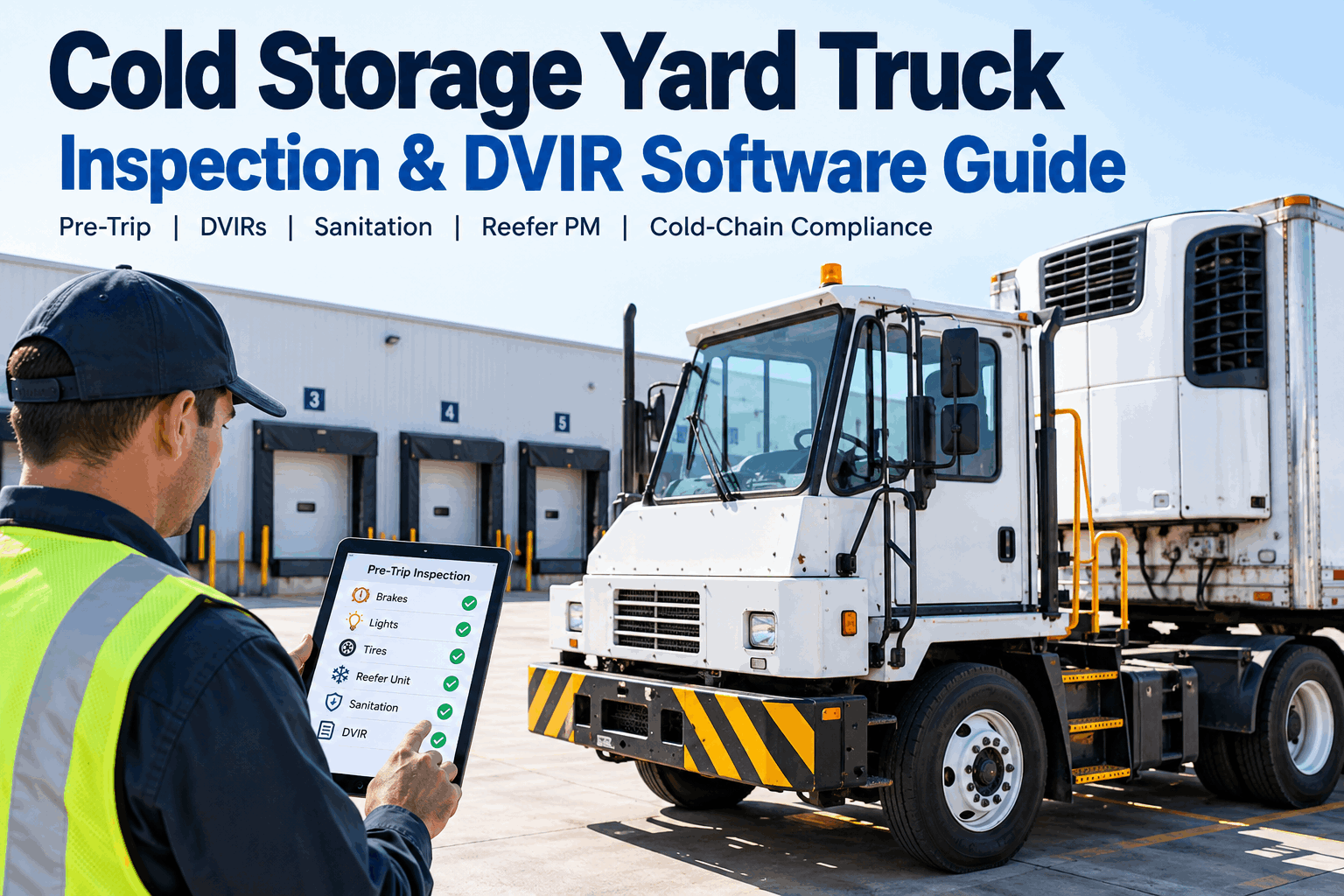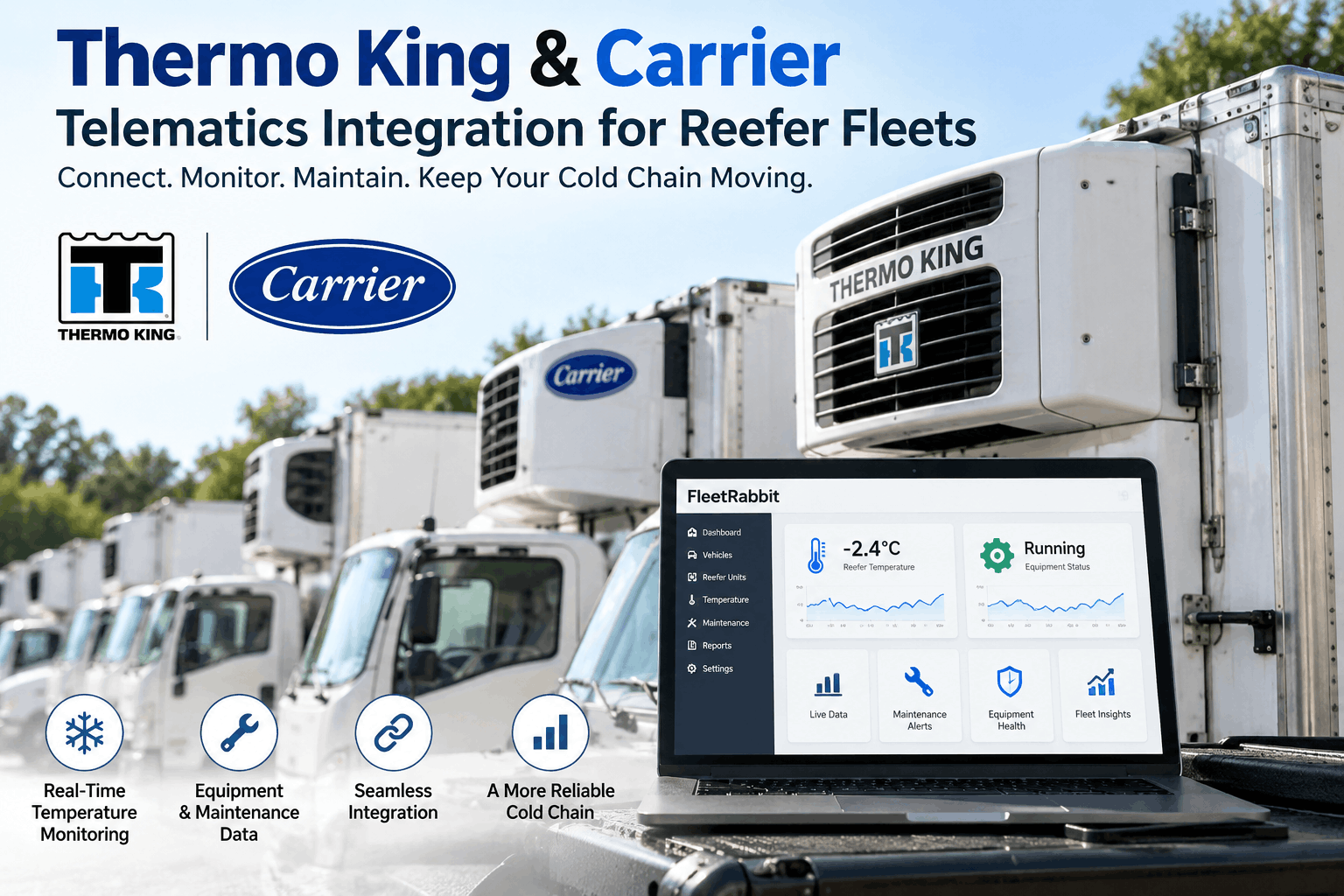
Refrigerated freight carriers, temperature-controlled 3PL operators, and cold-chain food distributors routinely operate mixed fleets featuring both Thermo King (SR-2, SR-3, SR-4) and Carrier Transicold (APX, Advance) transport refrigeration units (TRUs). Managing dual OEM architectures often forces dispatchers, quality assurance leads, and shop superintendents to toggle between separate manufacturer web portals (TracKing and e-Solutions), creating data silos, missed temperature alarm events, and disjointed maintenance scheduling. Integrating Thermo King and Carrier telematics into a single centralized fleet management platform harmonizes bi-directional microprocessor commands, live return and discharge air sensor telemetry, multi-zone compartment setpoints, and auxiliary diesel engine run-hours into one unified dashboard. By eliminating manual meter checks and fragmented logins, fleet managers prevent thermal cargo claims, streamline FDA FSMA Rule 204 audit reporting, and automate engine-hour preventative maintenance work orders. To evaluate how unified cold-chain telematics centralizes your mixed reefer operations, book a technical demonstration with our refrigeration engineering team or connect your first reefer assets immediately via our free platform sign up.
Thermo King & Carrier Telematics Integration for Reefer Fleets
An enterprise technical setup guide for refrigerated fleet directors and maintenance managers. Unify Thermo King TracKing and Carrier Transicold e-Solutions data streams into a single real-time console for temperature compliance, fault code triage, and automated preventative maintenance.
The Multi-OEM Dilemma: Data Fragmentation in Cold-Chain Operations
Most commercial refrigerated fleets do not operate a single brand of transport refrigeration equipment. Fleet acquisitions, trade-in cycles, regional dealer availability, and specialized multi-temp customer requirements result in a mixed fleet profile: Thermo King Precedent units on long-haul 53-foot reefers and Carrier Transicold Vector or X4 units on regional distribution trailers and straight trucks. Historically, running a mixed fleet meant managing two completely isolated telematics ecosystems: Thermo King TracKing and Carrier Transicold e-Solutions. Dispatchers must juggle separate logins, quality assurance teams struggle to compile consolidated temperature compliance graphs for food shippers, and maintenance shops miss critical engine-hour service intervals because runtime hours sit trapped in disparate manufacturer cloud accounts. Dedicated multi-OEM telematics integration breaks down these proprietary walls, pulling raw data feeds via direct cloud-to-cloud REST APIs or physical J1939 CAN-bus gateway taps. You can evaluate multi-brand reefer data aggregation by scheduling a tailored telematics architecture walkthrough demo or connect your first reefer units directly through our quick platform sign up.
Bi-Directional Controller Command Capabilities
Modern telematics integration is not merely read-only monitoring. FleetRabbit supports bi-directional command protocols for both Thermo King SR-3/SR-4 and Carrier APX controllers, allowing dispatchers to initiate pre-cooling cycles, change temperature setpoints remotely, clear non-critical alarms, and switch between Cycle-Sentry and Continuous Run modes from any web browser.
Microprocessor Diagnostic Trouble Code (DTC) Triage
Refrigeration controllers log hundreds of proprietary fault codes (such as Carrier Alarm 00021 'Technician Reset Required' or Thermo King Alarm 20 'Engine Failed to Crank'). The platform translates raw OEM error codes into standardized plain-language severity alerts, staging replacement parts in the maintenance shop before the trailer arrives at the terminal.
Continuous Multi-Zone Return & Discharge Air Tracking
Multi-temperature trailers operating movable bulkheads require granular thermal visibility. FleetRabbit normalizes data from primary nose evaporators and remote ceiling evaporators, recording independent thermal curves for frozen, chilled, and ambient compartments alongside door-switch sensors and ambient external weather feeds.
Independent Engine-Hour & Auxiliary Fuel Accounting
Reefer maintenance must be scheduled based on TRU diesel operating hours, not tractor road mileage. The integration ingests total diesel runtime, switch-on hours, and electric standby run-hours automatically, triggering preventative maintenance work orders and generating certified reports for off-road IFTA diesel fuel tax rebates.
Direct Architecture Comparison: Isolated OEM Portals vs. FleetRabbit Unified Telematics
Operating a cold-chain fleet with fragmented manufacturer software creates administrative bottlenecks, delays alarm response times, and increases the likelihood of catastrophic temperature excursions during transit. Review how dual-portal management compares directly against FleetRabbit's unified telematics architecture across core refrigeration management criteria. Fleet operations directors and compliance managers can explore our consolidated dashboard by booking an executive software evaluation demo or test multi-brand reefer telemetry via our self-service sign up.
| Reefer Telematics Dimension | Siloed OEM Portals (TracKing & e-Solutions) | FleetRabbit Unified Telematics Engine | Fleet & Quality Assurance Advantage |
|---|---|---|---|
| Dispatch Dashboard Experience | Two separate browser logins; manual correlation | Single unified dashboard for all Thermo King & Carrier units | Eliminates 100% of dual-portal operational friction |
| Temperature Alarm Notification | Fragmented email alerts from different gateways | Instant centralized SMS, push notification, & webhook bus | Reduces alarm response time from 35 mins to under 60 secs |
| Remote Bi-Directional Control | Requires switching between OEM systems to issue commands | Direct setpoint changes and pre-cool triggers from one console | Enables immediate mid-route temperature corrections |
| Preventative Maintenance Sync | Manual meter reading or disjointed spreadsheet exports | Automated engine-hour sync directly to shop work orders | Prevents overdue oil changes and unexpected compressor failures |
| Customer Compliance Reporting | Mismatched PDF reports with different formatting | Standardized, branded multi-temp trip dossiers (FSMA Rule 204) | Accelerates shipper invoice sign-offs and eliminates disputes |
4-Stage Technical Setup & Deployment Sequence
FleetRabbit standardizes cold-chain connectivity across every deployment phase, connecting reefer microprocessors to your dispatch and maintenance workflows without requiring extended equipment downtime. To evaluate how our engineering team provisions your controllers, book a technical onboarding walkthrough demo.
API Gateway & Telematics Provisioning
Connect your existing Thermo King TracKing and Carrier e-Solutions cloud credentials via secure REST API connectors, or install universal wireless telematics gateways directly to J1939 CAN-bus diagnostic ports.
Asset Mapping & Setpoint Matrix Configuration
Assign trailers to specific product categories (deep-freeze, chilled dairy, fresh produce, pharmaceuticals). Configure allowable temperature variance bands (± 1.5°F) and establish automated escalation alert contacts.
Automated Engine-Hour & Work Order Linkage
The platform ingests live auxiliary diesel engine hours and switch-on runtime, linking each asset to automated 1,500-hour and 3,000-hour preventative maintenance intervals in the garage CMMS.
Live Dispatch Sync & Bi-Directional Command
Central dispatch boards receive live sub-minute sensor feeds. Operators gain the ability to pre-cool trailers remotely, adjust setpoints, and verify food safety compliance from morning loading to receiver delivery.
Financial Capital Stewardship: Where Siloed Reefer Data Bleeds Budget
Operating a refrigerated fleet with disconnected telematics systems creates compounding operational losses across catastrophic thermal cargo claims, unbudgeted roadside compressor repairs, and unfiled off-road diesel tax rebates. Analyzing these systemic cost drivers helps cold-chain fleet leaders build a clear business case for unified telematics adoption before executive management. Calculate your fleet's exact cost recovery by booking an operational assessment demo or get started directly via our rapid platform sign up.
Top Causes of Budget Waste in Fragmented Reefer Fleets
Unified Telematics Engineering Strengths
Standardizes data points across Thermo King SR-2, SR-3, SR-4 and Carrier APX, Advance, and Vector microprocessors into clean, unified data models.
Instant alerts via SMS, email, and mobile push notifications when return air breaches acceptable tolerance bands or door sensors trigger extended dwell.
Connects via manufacturer cloud-to-cloud APIs or open telematics hardware, protecting your fleet from expensive black-box vendor lock-in.
ROI & Operational Scalability for Connected Cold-Chain Fleets
When investing in unified refrigeration telematics, fleet leadership must evaluate financial returns across risk mitigation, maintenance efficiency, fuel tax optimization, and customer retention. FleetRabbit delivers quantifiable financial return across all primary refrigerated transport metrics. To review your customized reefer fleet savings forecast, schedule a one-on-one consultation demo with our team or start connecting your reefer fleet today with a free account.
Zero Rejection Consignments
Sub-minute temperature alerts and remote bi-directional control allow dispatchers to intercept and resolve thermal excursions before product core temperatures breach critical safety thresholds.
Hour-Based PM Optimization
Automating auxiliary diesel engine-hour sync ensures preventative maintenance services occur precisely at 1,500 and 3,000-hour intervals, cutting expensive roadside compressor failures by over 60%.
Automated IFTA Fuel Rebates
Auxiliary diesel fuel consumed by stationary refrigeration units qualifies for significant off-road tax refunds. FleetRabbit generates certified, auditable consumption ledgers automatically.
Frequently Asked Questions: Thermo King & Carrier Telematics Integration
How does FleetRabbit connect to both Thermo King and Carrier refrigeration units simultaneously?
FleetRabbit connects using a flexible dual-path architecture. For fleets with active OEM telematics subscriptions, the platform connects directly via secure cloud-to-cloud REST APIs to pull data from Thermo King TracKing and Carrier e-Solutions. Alternatively, for fleets without active OEM telematics, FleetRabbit can connect directly to the reefer microprocessor's J1939 CAN-bus and serial communication ports using open, hardware-agnostic telematics gateways.
Can dispatchers change reefer temperature setpoints remotely through the software?
Yes. FleetRabbit supports bi-directional remote commands for compatible Thermo King (SR-3, SR-4) and Carrier Transicold (APX, Advance) controllers. Authorized dispatchers can adjust setpoints, trigger manual defrost cycles, switch between Cycle-Sentry and Continuous Run modes, and clear non-critical alarms directly from the web or mobile dashboard.
Does the integration support multi-temperature trailers with multiple compartments?
Yes. The platform fully supports multi-temperature configurations, tracking independent setpoints, return air temperatures, and discharge air readings across Zone 1, Zone 2, and Zone 3 compartments. The system correlates each compartment's thermal profile with remote ceiling evaporators and movable bulkhead door switches in real time.
How does centralized telematics help with FDA FSMA Rule 204 compliance?
Under the FDA Food Safety Modernization Act, carriers must provide verifiable proof that food was maintained within safe temperature parameters throughout transit. FleetRabbit automatically generates cryptographically signed, timestamped temperature graphs for each completed load, combining multi-zone thermal curves with GPS route history into a single exportable audit dossier.
Share This Story, Choose Your Platform!
From our blog

Driver Onboarding & Food-Safety Training Software for Fleets

What Is a Reefer Washout Certificate? FSMA Compliance Guide

Cold Chain Fleet Maintenance KPIs: Benchmarks & Guide

Cold Chain Temperature Zones: Frozen, Refrigerated & Ambient

Engine Hours vs Mileage for Reefer Fleets: Buyer Guide

Food Safety DVIR Software for Reefer Fleets and Drivers

DOT HOS Compliance Software for Last-Mile Delivery Fleets